

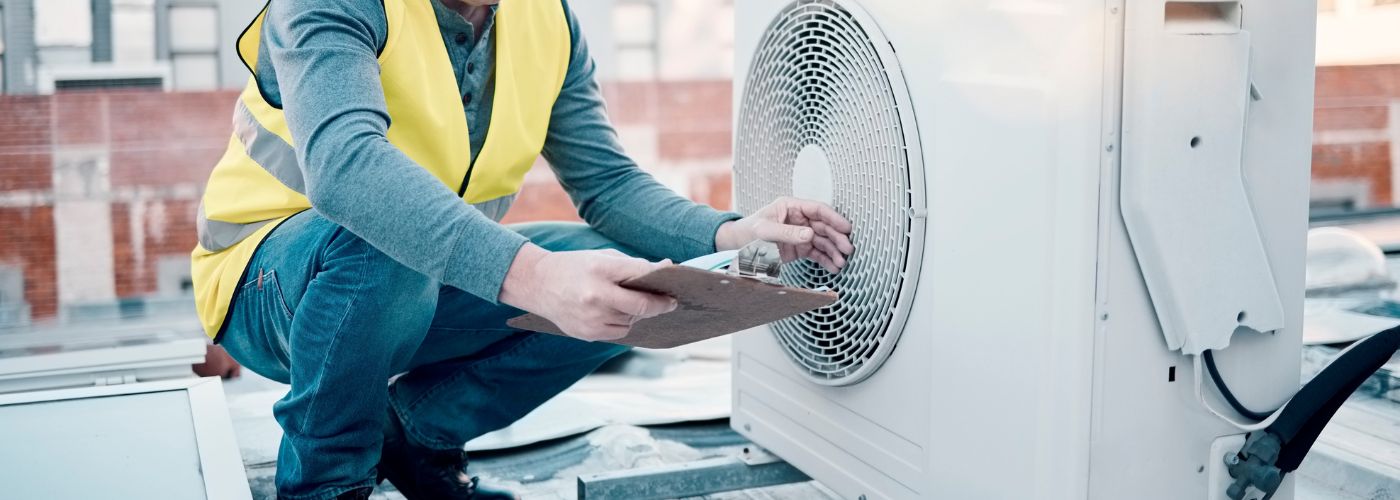
As temperatures rise, your air conditioning system becomes one of the most important appliances in your home. Preparing it before the heat arrives helps prevent breakdowns, improve efficiency, and keep your indoor air comfortable.
This article goes over the key steps homeowners should include in an AC maintenance checklist before summer.
Tips For AC Maintenance Checklist Before Summer
Preparing your cooling system ahead of the hot season can save you money, reduce energy usage, and prevent sudden breakdowns. A well-planned AC maintenance checklist ensures that every part of your system is inspected and cleaned before heavy use begins.
Many homeowners overlook small issues that can gradually lead to bigger problems if ignored. Taking time to review and maintain your air conditioning system before summer arrives can prevent unexpected repairs and keep your home consistently comfortable.
Clean Air Filters for Stronger Airflow and Efficiency
Air filters play a major role in how well your AC system performs. Over time, filters collect dust, pet hair, pollen, and other airborne particles that restrict airflow through the system.
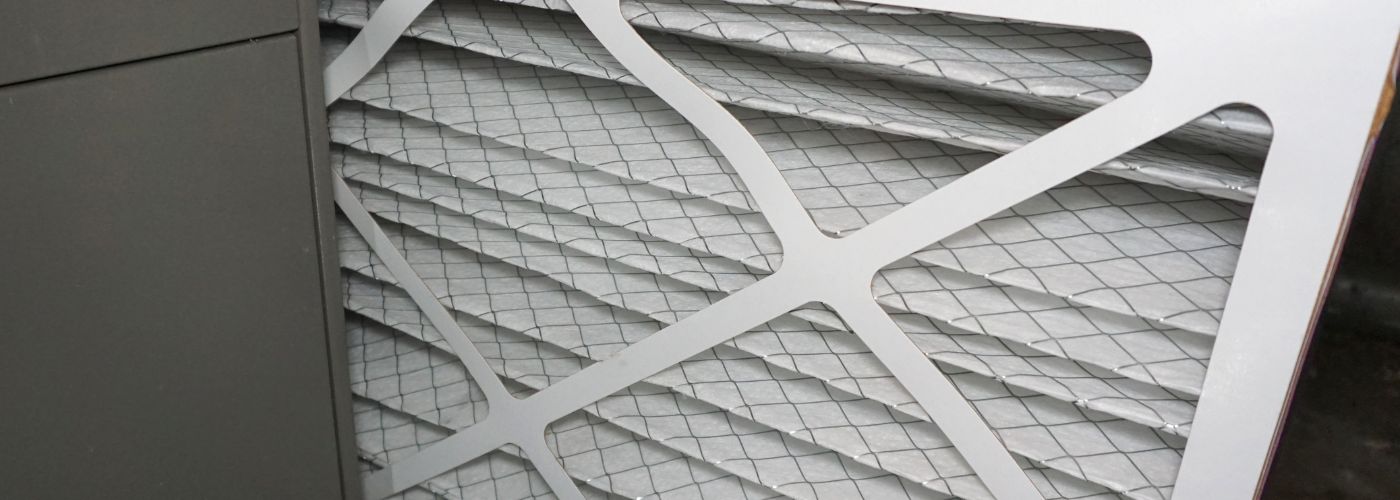
When airflow becomes limited, the unit must work harder to cool your home, which increases energy usage and places strain on internal components. Replacing or cleaning your air filters before summer begins is one of the easiest and most effective ways to maintain strong airflow and protect your system.
Homeowners should check their filters at least once a month during heavy-use seasons. Clean filters also improve indoor air quality, which helps reduce allergens and airborne irritants inside the home.
Following a consistent AC maintenance checklist helps homeowners identify airflow restrictions early and keep their cooling system operating efficiently.
Regular filter checks help prevent overheating, frozen coils, and airflow problems that could damage your cooling system.
Clear Condenser Units for Better Outdoor Performance
Your outdoor condenser unit is responsible for releasing heat collected from inside your home. Because it sits outside, it is exposed to leaves, dirt, grass clippings, and debris that can block airflow around the unit.
When airflow becomes restricted, the system struggles to release heat properly, which reduces efficiency and increases cooling costs. Keeping the outdoor condenser area clean and clear allows your AC system to perform at its best during the hottest months.
Start by trimming plants, removing leaves, and ensuring at least two feet of open space around the unit. Dirt buildup on the condenser fins should also be gently cleaned using a soft brush or hose.
Including outdoor unit inspections as part of your AC maintenance checklist helps prevent airflow blockages and ensures the system can release heat effectively.
Maintaining a clear condenser area helps your air conditioner run cooler, last longer, and operate more efficiently.
Schedule Evaporator and Condenser Coil Cleanings
AC systems rely on two main coils to move heat efficiently: the evaporator coil inside your home and the condenser coil in the outdoor unit. Over time, these coils accumulate dust, dirt, and grime that act as insulation and reduce heat transfer.
When this happens, the system must run longer cycles to cool the home, which increases wear on the compressor and other components. Clean coils allow the system to transfer heat properly and maintain consistent cooling performance.
Professional coil cleaning is often recommended because the components are delicate and can be easily damaged if handled improperly. Including coil inspections in your AC maintenance checklist helps reduce the risk of mechanical issues and keeps the system operating efficiently.
Keeping coils clean ensures that your AC system operates efficiently, lowers energy bills, and prevents unnecessary strain on the entire cooling system.
Schedule AC Maintenance From A Professional
While homeowners can perform basic maintenance tasks, professional HVAC inspections are still essential for a complete system check. Certified technicians examine electrical components, refrigerant levels, drainage systems, and mechanical parts that are not easily accessible.

These inspections often reveal hidden issues that may not be noticeable during everyday use. A professional maintenance appointment before summer can identify small problems before they turn into expensive repairs.
Technicians may also test system performance, tighten electrical connections, and lubricate moving components. Including professional inspections in your AC maintenance checklist allows trained technicians to identify potential issues before they cause system failure.
Scheduling professional AC maintenance ensures your system is prepared to run efficiently and reliably throughout the entire summer season.
Calibrate Smart Thermostats For Better Energy-Efficiency
Thermostats control how frequently your air conditioning system runs, making them an important part of overall energy efficiency. Smart thermostats allow homeowners to set schedules, monitor usage, and adjust temperatures automatically throughout the day.
However, these devices must be calibrated properly to ensure accurate temperature readings and efficient operation. A correctly calibrated thermostat helps your AC system maintain consistent comfort while reducing unnecessary energy consumption.
Homeowners should verify that their thermostat is placed away from direct sunlight, heat sources, or vents that could distort temperature readings. Regularly updating thermostat settings for seasonal changes can also improve system efficiency.
Adding thermostat calibration to your AC maintenance checklist helps prevent inaccurate temperature readings and unnecessary system strain.
Proper thermostat calibration allows your cooling system to run smarter, save energy, and maintain ideal indoor temperatures all summer long.
Frequently Asked Questions (FAQ)
Homeowners should inspect and maintain their AC system at least once before the summer season begins. Basic tasks such as changing air filters, clearing debris around the condenser, and checking thermostat settings can be done monthly, while a professional HVAC inspection is recommended once per year.
Air filters trap dust, pollen, and other airborne particles that circulate through your home. When filters become clogged, airflow is restricted and the system must work harder to cool the space. Replacing or cleaning filters improves airflow, boosts efficiency, and helps maintain better indoor air quality.
If the outdoor condenser is surrounded by debris, leaves, or overgrown plants, it cannot release heat effectively. This forces the system to run longer cooling cycles, increases energy usage, and may cause overheating. Keeping at least two feet of open space around the condenser allows the unit to operate efficiently.
Yes. Evaporator and condenser coils can accumulate dirt over time, reducing their ability to transfer heat. Because these components are delicate and difficult to access, professional coil cleaning is recommended to prevent damage and ensure the system runs efficiently.
A properly calibrated thermostat ensures accurate temperature readings and efficient cooling cycles. When thermostat settings are optimized and placed away from heat sources or direct sunlight, your air conditioning system can maintain consistent indoor comfort while minimizing unnecessary energy use.