

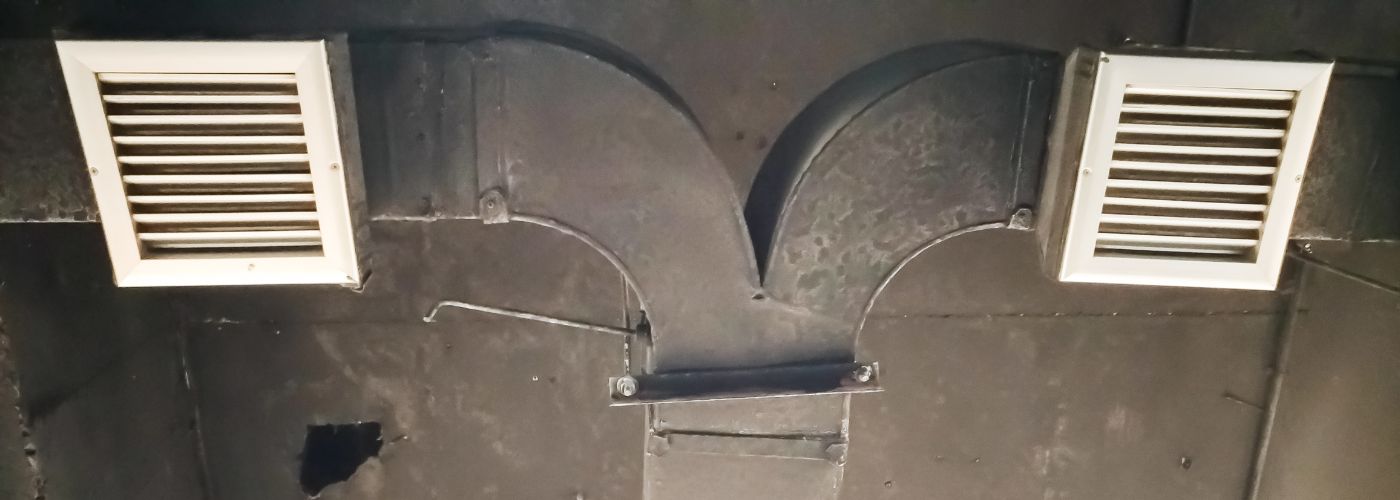
If you’ve ever wondered how to clean AC ducts in your home, you’re not alone. Over time, air ducts collect dust, allergens, and even mold. This buildup reduces your indoor air quality, forces your HVAC system to work harder, and can make your home feel less comfortable.
While many homeowners consider DIY HVAC duct cleaning, it’s important to understand what’s possible on your own and when to call in the professionals.
Why Clean Your Home Air Ducts?
Dirty ducts don’t just look unpleasant; they affect your health, your HVAC system’s efficiency, and your energy bills. Dust, pet dander, and debris can accumulate quickly, especially in busy households.
Knowing how to clean air ducts in your house can help reduce allergens and improve airflow, but only if done properly.
Signs of Dirty Air Ducts
- Visible dust blowing from vents
- Unusual odors when the HVAC system runs
- Frequent allergy or respiratory irritation indoors
- Poor or inconsistent airflow between rooms
How Do You Clean Air Ducts Yourself?
Many homeowners look up how do you clean air ducts with the hope of tackling the project themselves. While you can remove surface dust and improve airflow with a DIY approach, deep cleaning is difficult without professional tools. Still, here are some safe steps for do it yourself duct cleaning.
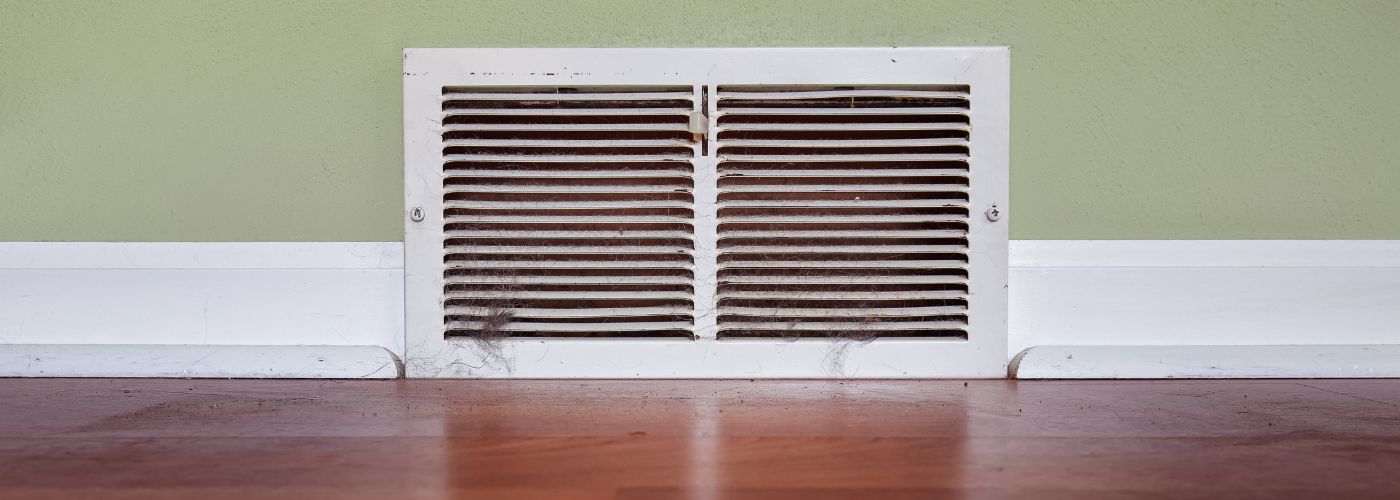
DIY Duct Cleaning Step by Step
- Turn off your HVAC system. Safety make sure your system is powered down.
- Remove vent covers. Use a screwdriver to remove supply and return vent covers. Wash them with warm, soapy water.
- Loosen dust inside ducts. A long brush or vacuum hose can dislodge dust near the openings of your ductwork.
- Vacuum what you can reach. Shop vacuums with extended hoses work best for this.
- Replace air filters. A fresh filter ensures your system traps new dust before it enters the ducts again.
How to Clean Out Air Ducts vs. Professional Cleaning
Learning how to clean out air ducts starts by understanding that not all cleaning methods deliver the same results.
While it may be tempting to tackle the job yourself to save money, DIY approaches are usually limited to what you can see and reach, leaving much of the ductwork and buildup untouched. This can create a false sense of cleanliness while deeper dust, allergens, and contaminants remain inside your system.
DIY air duct cleaning typically involves removing vent covers, vacuuming what is visible, and wiping around the openings. Although this can help with surface dust and make vents look cleaner, household vacuums and basic tools are not powerful enough to pull debris from deep within the ducts.
In some cases, improper DIY methods can even push dust further into the system or damage components, leading to reduced efficiency or potential repair costs later on.
Professional air duct cleaning, on the other hand, relies on high-powered vacuums, rotary brushes, and specialized equipment designed to clean the entire HVAC system, not just the areas you can see. Trained technicians can reach deep into the ductwork, dislodge stubborn debris, and remove contaminants more thoroughly and safely.
While it costs more than a DIY attempt, professional cleaning offers a more complete and reliable result, helping improve indoor air quality, system performance, and long-term peace of mind.
Benefits of Professional Air Duct Cleaning
- Removes mold, bacteria, and allergens deep inside ducts
- Improves HVAC efficiency and lowers energy costs
- Extends the life of your heating and cooling system
- Improves indoor air quality for the whole household
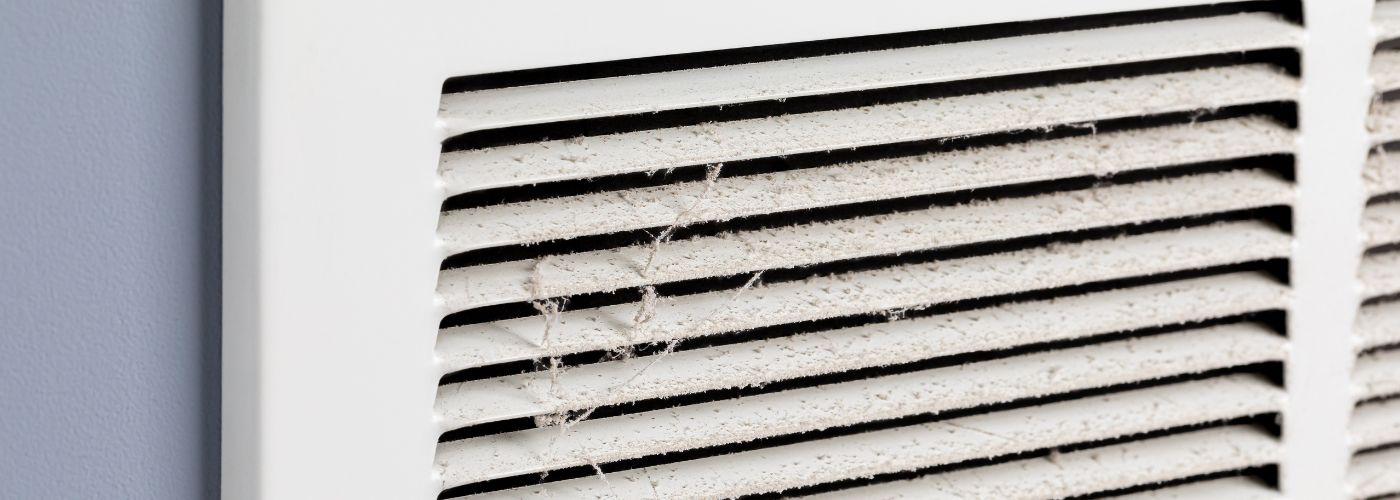
How to Do Duct Cleaning with a Mini Split
Mini splits rely on internal components, such as coils, filters, and blower wheels, that can quickly collect dust, debris, and even mold if not maintained properly.
To keep your mini split in good condition, start by removing and washing the air filters every few weeks, especially during heavy use. Clean filters help maintain airflow and prevent strain on the system.
You should also gently wipe down the evaporator and condenser coils with a soft cloth to remove built-up dust. If you notice dirt lodged deeper within the coil fins, you may need a fin comb or a coil-safe cleaning spray to avoid bending or damaging the metal.
Next, inspect the blower wheel and internal housing for signs of dust or microbial growth. Because these areas are harder to access, a simple surface cleaning may not always reach everything inside.
In many cases, homeowners find it difficult to remove deeper buildup safely without professional tools. When grime accumulates in these hard-to-reach spots, it can affect airflow, reduce cooling efficiency, and create unpleasant odors.
For outdoor units, clear away leaves, dirt, and debris from around the condenser to ensure proper ventilation. Gently rinse the exterior fins with low-pressure water, being careful not to bend them.
Keeping the outdoor unit unobstructed helps the system maintain consistent performance without unnecessary strain.
The Right Way to Clean Your Air Ducts
Learning how to clean your air ducts is valuable for every homeowner, but it’s important to know the limits of DIY. Simple cleaning steps can reduce dust and improve airflow, but for a deep clean, professional service is recommended.
Whether you’re dealing with dirty ducts or just want to maintain your system, keeping ducts clean is essential for comfort and efficiency. At Lions Heating & Air Conditioning, we help Los Angeles homeowners improve their indoor air quality with expert duct cleaning services.
Contact us today to schedule a professional inspection and find out the best way to keep your home’s air fresh and healthy.
Frequently Asked Questions (FAQ)
Most experts recommend cleaning air ducts every 3–5 years. However, if you have pets, allergies, or notice visible dust and debris around vents, you may benefit from more frequent cleanings.
Yes. When dust and debris build up inside your ductwork, your HVAC system has to work harder to push air through. This added strain often results in higher monthly energy bills.
Dirty ducts can circulate allergens, bacteria, mold spores, and dust throughout your home. This may worsen allergies, trigger asthma symptoms, and affect overall indoor air quality. Air pollution has also been linked to worsening Alzheimer’s disease.
Recent research from the Perelman School of Medicine at the University of Pennsylvania reveals a powerful connection between air quality and the progression of Alzheimer’s disease. The study, published in JAMA Neurology, found that even one year of exposure to higher levels of fine particulate air pollution can accelerate the buildup of toxic proteins in the brain.
Post-mortem tissue from individuals with Alzheimer’s showed more severe amyloid plaques and tau tangles when they lived in areas with elevated pollution compared to those with cleaner air.
This accumulation is linked to faster cognitive and functional decline, including memory loss, impaired judgment, and challenges with daily personal care, highlighting how critical clean air is for protecting vulnerable members of our community.