
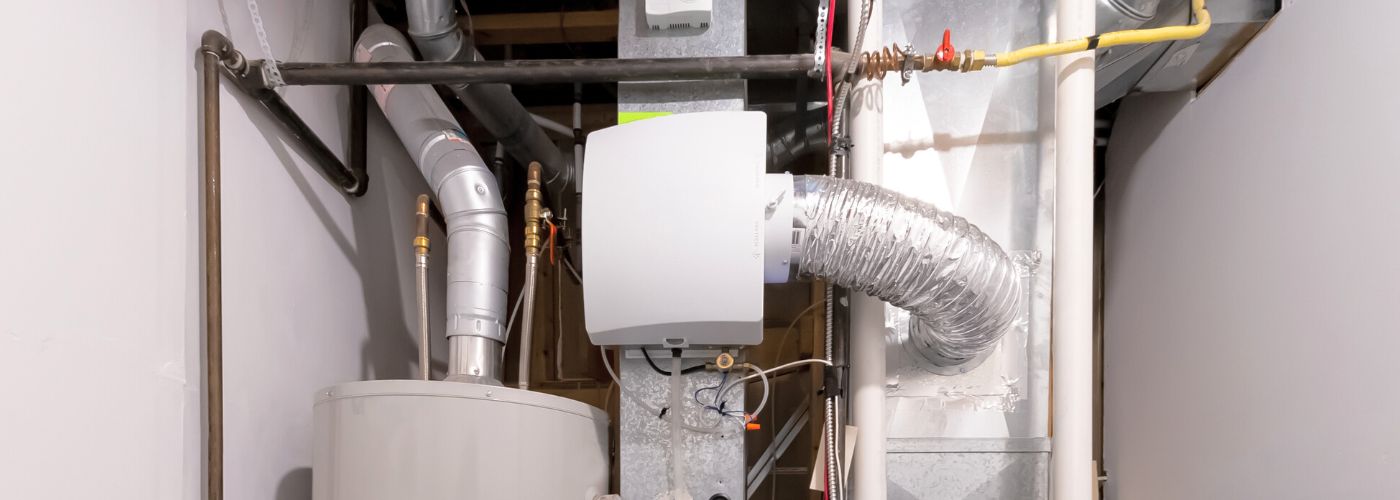
A furnace is one of the most important appliances in a home, providing heat during colder months. However, furnaces can also be dangerous if they are not maintained properly or if they start to break down. We’ll be going over the several warning signs of a bad furnace.
Is Furnace Repair Worth It?
When it comes to your furnace, don’t wait until it’s too late to notice the signs of a bad one. Some tell-tale signs that your furnace may be on its last legs include:
1. Your energy bills have been steadily increasing even though you haven’t changed your habits.
2. The furnace is making strange noises, such as banging, popping or screeching.
3. There is a yellow or orange flame instead of blue coming from the pilot light.
4. You notice soot or debris around the furnace.
5. The furnace doesn’t seem to be heating your home evenly anymore.
6. Some rooms are too hot, while others are too cold.
7. The blower runs constantly, but the house never feels warm enough.
When your furnace breaks down, it can be a real nightmare. You may be wondering if it’s worth it to repair your furnace or if you should just replace it. There are a few things you should consider before making a decision.
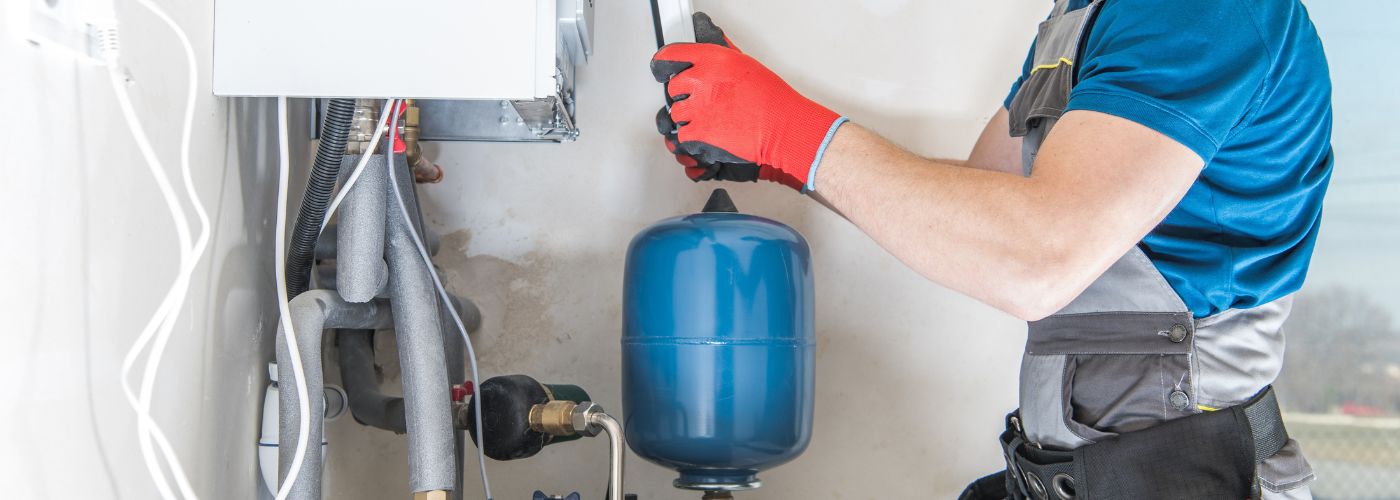
First, you need to determine what is wrong with your furnace. If it’s just a minor problem, or maybe it just needs to be cleaned, then repair may be the best option. However, if your furnace is old and outdated, then replacement may be a better choice.
You also need to consider the cost of repairs versus the cost of replacement. In some cases, repairs may actually be more expensive than replacement. You need to weigh all the factors before making a decision.
Who To Call For Furnace Repair
When your furnace breaks down, it can be difficult to know who to call for repair. You may be tempted to try to fix it yourself, but this is usually not a good idea. Furnaces are complex machines and attempting to repair them without the proper training and experience can often make the problem worse.
There are a few things you can do before calling for repair, however. First, check to see if your furnace is still under warranty. If it is, you may be able to get repairs covered at no cost to you.
Second, take a look at your furnace’s manual and see if there are any troubleshooting tips that might help you fix or clean the furnace yourself.
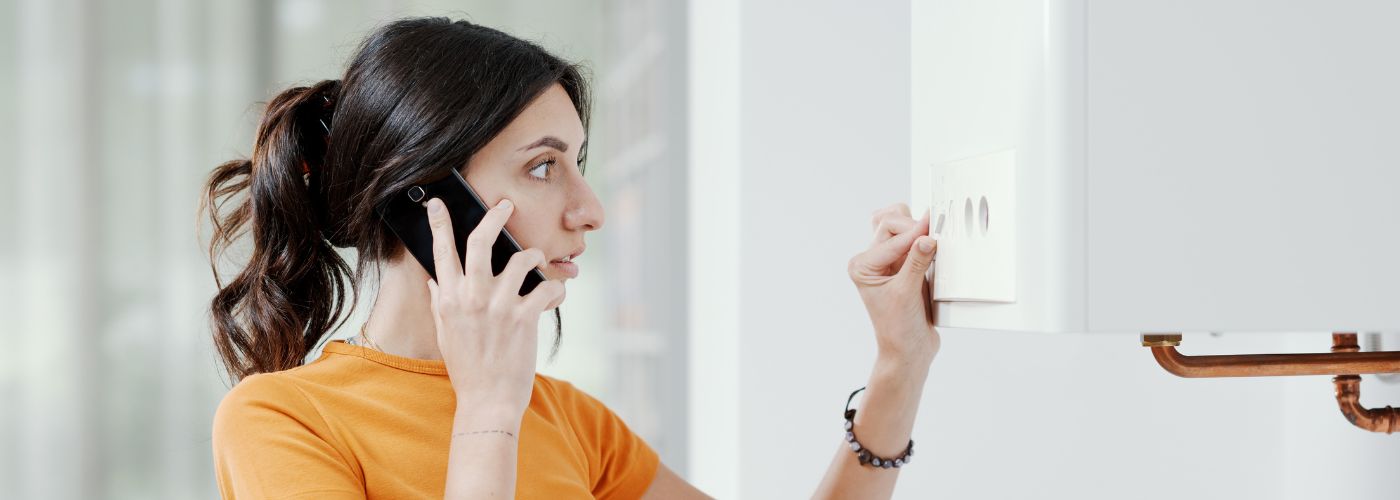
If neither of these options works for you, then it’s time to call in a professional. The best way to find a reputable heating repair company is to ask friends or family members for recommendations. Looking online and the company’s online reviews is always the best option as well.
How To Repair Furnace Rust
If your furnace has developed rust, it is important to take care of the problem as soon as possible. Rust can cause serious damage to your furnace and may even lead to a fire. Here are some tips on how to repair furnace rust:
1. Remove any rust that has already formed. This can be done with a wire brush or sandpaper. Be sure to wear gloves and eye protection while doing this.
2. Apply a rust-resistant primer to the area. This will help prevent further rusting.
3. Paint the area with a high-quality paint designed for use on furnaces. This will help protect the area from future rusting and will also improve the appearance of your furnace.
4. Replace any parts of your furnace that have been significantly damaged by rust.
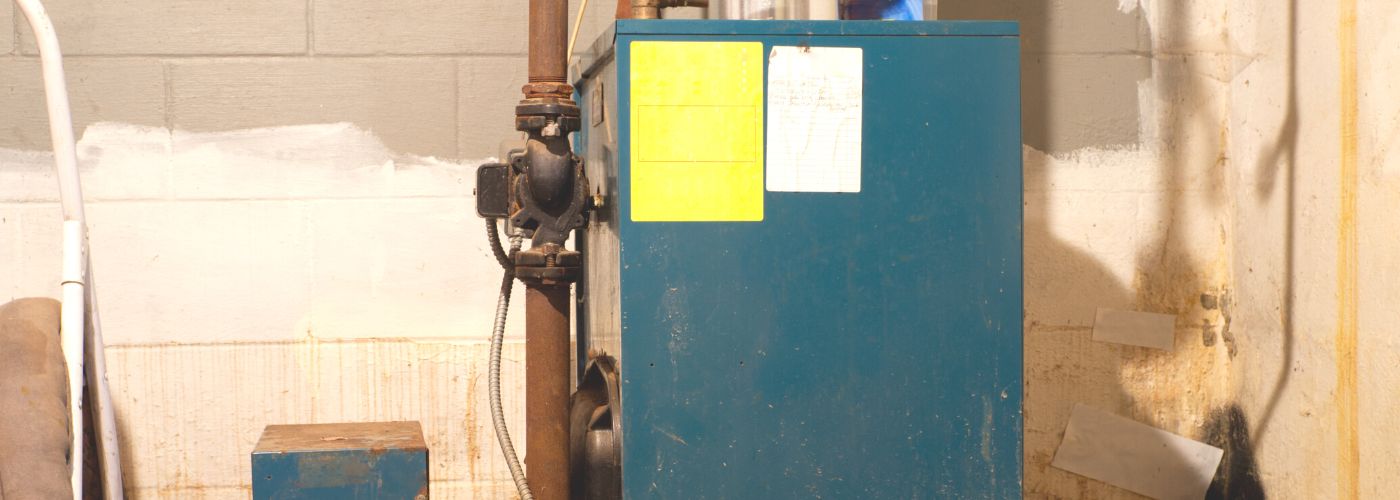
Does Home Insurance Cover Furnace Repair
If your heating system breaks down, will your home insurance policy cover the repair costs? It depends on the cause of the breakdown and the terms of your policy.
Most home insurance policies cover sudden and unexpected damage, but not gradual wear and tear. So, if your furnace breaks down due to a one-time event, like a power surge or a broken part, your insurer will likely cover the repair costs.
However, if your furnace breaks down due to normal wear and tear, you’re probably out of luck. That’s because most home insurance policies exclude coverage for damages that occur gradually over time.
To be sure, check the terms of your home insurance policy or give your insurer a call to find out what’s covered. This is why getting routine heating maintenance for your furnace can help extend its lifespan and prevent future issues.
Frequently Asked Questions (FAQ)
Most homeowners benefit from having their furnace professionally inspected and tuned up once a year, ideally before the heating season starts. During a visit, a technician can check for issues like rust, weak flames, unusual noises, and poor airflow. Catching these warning signs early can help you avoid breakdowns, improve safety, and extend the life of your heating system.
It depends on the age and condition of your furnace, as well as the cost of repairs. If your unit is relatively newer and the issue is minor, a repair is often the most cost-effective choice. However, if your furnace is 15–20 years old, needs frequent fixes, or has serious problems like uneven heating, rising energy bills, or a damaged heat exchanger, investing in a replacement can be safer, more reliable, and more efficient in the long run.
Home insurance may help if your furnace is damaged by a sudden, covered event—such as a fire, lightning strike, or certain types of accidental damage. However, it typically does not cover repairs or replacement caused by normal wear and tear, age, or lack of maintenance. Because policies vary, it’s always best to review your coverage or call your insurance provider to confirm what’s included and what isn’t.