

Choosing between a wall vs floor furnace can feel confusing. Both systems can keep your home warm, but they work in very different ways. This guide explains how each type heats rooms, uses energy, and fits your space. You will also see differences in comfort, noise, upkeep, and long-term costs.
Functionality Differences Between Wall vs Floor Furnace
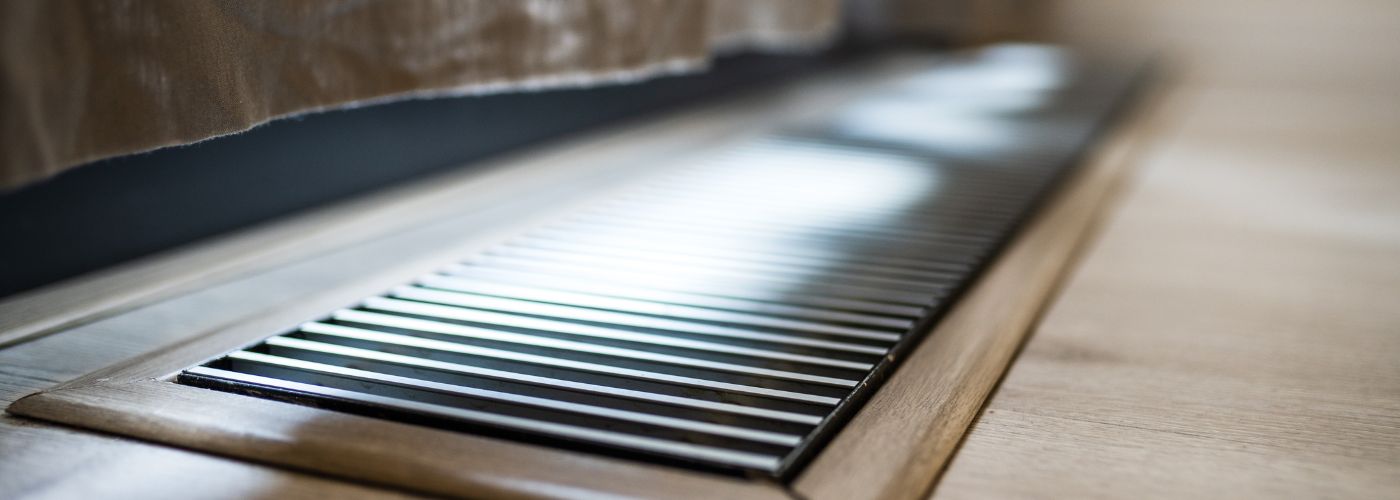
Every furnace has one job, but each design handles that job in its own way. A wall unit usually hangs on or inside an interior wall cavity. A floor unit sits inside the floor and sends heat upward through a metal grate.
These placement choices change how quickly rooms warm up and how evenly heat spreads.
Most wall furnaces use blowers or strong convection to push warm air across the room. The air flows at about chest height, so people feel the warmth more quickly. Floor systems rely more on rising air and can leave corners cooler for longer periods.
Understanding this basic behavior helps you pick a furnace that matches your home layout.
How Wall Furnaces Distribute Heat Compared To Floor Units
Both systems warm a room, but the path the heat takes makes a clear difference. Wall units release warm air higher in the room, allowing it to spread sideways before rising.
Movement from walking, ceiling fans, or even open doors helps the heat mix more evenly. This broader circulation often reduces the hot-and-cold pockets that can happen with less directed airflow.
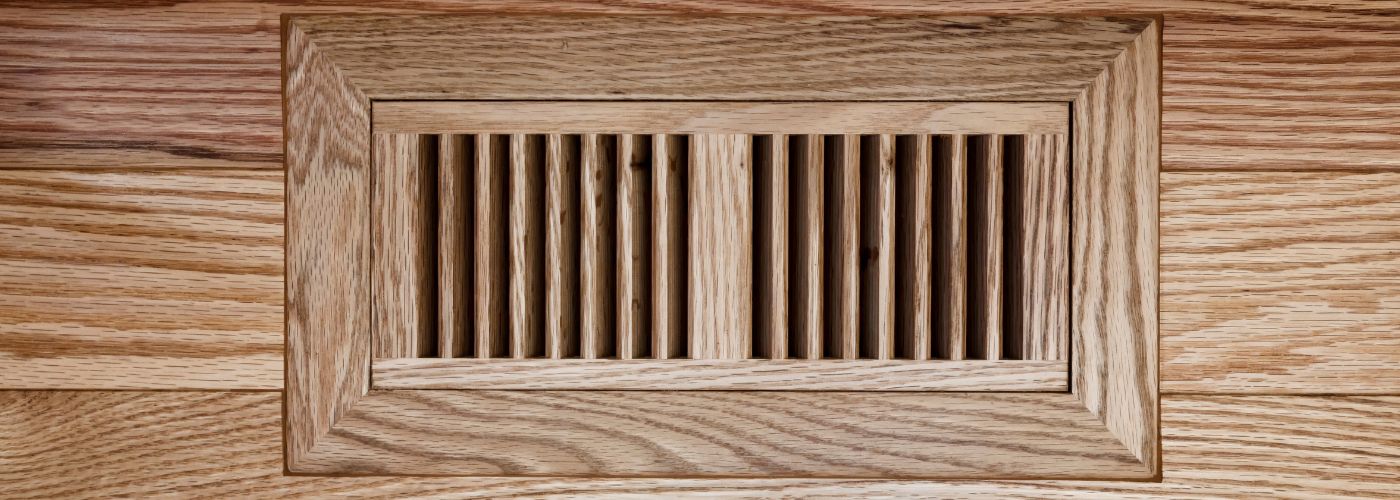
Floor units work from the ground up, which creates a very different pattern. Heat rises from the grate and gathers quickly near the ceiling, especially in rooms with tall or open designs.
Areas close to the furnace may feel toasty, while distant corners can stay a bit cooler. Homes with high ceilings often notice better balance from wall units because their airflow reaches farther before lifting upward.
How Floor Furnaces Save Space Compared To Wall Units
In tight rooms, every inch of wall space matters for furniture, storage, and decorations. A floor furnace sits recessed in the floor, so your walls stay almost completely free.
You can place couches, bookcases, or media centers where a wall unit might normally sit. That extra flexibility can make small living rooms or studios feel more open and easier to arrange.
Wall furnaces require a large, clear section of wall plus safe clearance around vents and controls. You cannot push heavy furniture against the panel or block airflow with tall items.
That restriction may limit where you place beds, desks, or entertainment units in smaller rooms. If your priority is flexible furniture placement, a floor furnace often offers more design freedom.
Maintenance and Lifespan Between Wall vs Floor Furnace
Both systems rely on regular care, but the work involved feels very different. Wall units are mounted higher and usually open from the front, so technicians can reach key parts without any crawling or heavy lifting.

Burners, filters, and safety controls sit behind easy-access panels, which makes routine service simple and fast.
This convenience often leads to more consistent maintenance, which helps wall furnaces last longer with fewer major issues.
Floor units face a tougher environment because everything settles downward. Dust, pet hair, and small debris can slip through the grate and collect around internal parts. That buildup can affect airflow, weaken combustion, and place stress on safety components.
Because they gather more debris and require deeper cleanings, floor furnaces may need more frequent inspections to maintain a long, reliable lifespan.
Looking At Energy-Efficiency For Both Systems
Energy performance varies between the two designs, and both offer strengths in different situations. Wall models often come with modern burners, updated controls, and more precise heat delivery.
Since warm air enters the room at a higher level, it stays where people actually feel it. This reduces wasted heat near the ceiling and helps wall units use less fuel for the same level of comfort.
Floor models tend to rely on older technology and natural convection, which can lead to uneven heat and higher energy use. Warm air may rise too quickly and escape through unsealed gaps or poorly insulated areas.
Still, a newer or well-maintained floor furnace can heat a smaller home efficiently, especially if the space is compact and airtight.
The best energy results come from matching the furnace type to the home’s layout and ensuring strong insulation and sealing.
Wall vs Floor Furnace Noise Levels and Comfort
Noise and airflow play a major part in how comfortable each system feels day to day. Many wall units use fans to move warm air around the room, which creates a gentle hum or soft blower sound.
Most people ignore this noise, but lighter sleepers may notice it more in quiet spaces. If bedrooms or study areas sit close to the furnace, the fan sound should be considered.
Floor furnaces usually operate with little to no fan, so they tend to run quieter overall. Only a mild burner sound or click may be heard during operation, which can make the room feel calm during evenings or early mornings.
However, the reduced airflow can leave some areas cooler, while wall units may eliminate drafts more effectively.
True comfort depends on how much noise you can tolerate and how evenly you want heat spread throughout the space.
Frequently Asked Questions (FAQ)
Both systems can be safe, but wall furnaces are often considered safer because they are mounted out of reach. Floor furnaces have exposed grates that can get hot and may pose a tripping risk, especially in high-traffic areas or homes with small children or pets.
Wall furnaces typically perform better in poorly insulated spaces because they distribute heat higher in the room, helping warmth stay where people feel it. Floor units can lose heat more quickly in drafty homes since warm air rises immediately and may escape through gaps or poorly sealed areas.
Wall furnaces usually offer better air-quality support because many include updated burners, controlled airflow, and easier-to-clean components. Floor furnaces tend to collect more dust and debris due to their placement, which may impact air quality if not cleaned regularly.
Wall furnaces are generally easier to integrate into remodeling projects because they only require wall cavity access and proper venting. Floor furnaces often need structural adjustments to the flooring, which can make installation more involved and costly during renovations.
Wall furnaces often offer better long-term value due to modern efficiency features, easier maintenance, and lower operating costs. Floor furnaces may be more affordable upfront but can require more frequent service and may not provide the same efficiency benefits over time.