

Heating and cooling large buildings can be expensive and hard to manage. Business owners need systems that are reliable, efficient, and flexible enough to handle changing demands. This article goes over the issues many properties face and explains why modern solutions are making a difference.
How VRF Systems Work For Commercial HVAC Systems
VRF systems for commercial properties are designed to deliver heating and cooling in a smarter and more flexible way than traditional HVAC systems.
VRF stands for Variable Refrigerant Flow, which means the system can adjust the amount of refrigerant sent to different areas of a building based on real-time needs.
Instead of running at full power all the time, it changes output depending on the temperature in each zone. This makes it highly efficient and much more responsive than older systems that simply turn on and off.
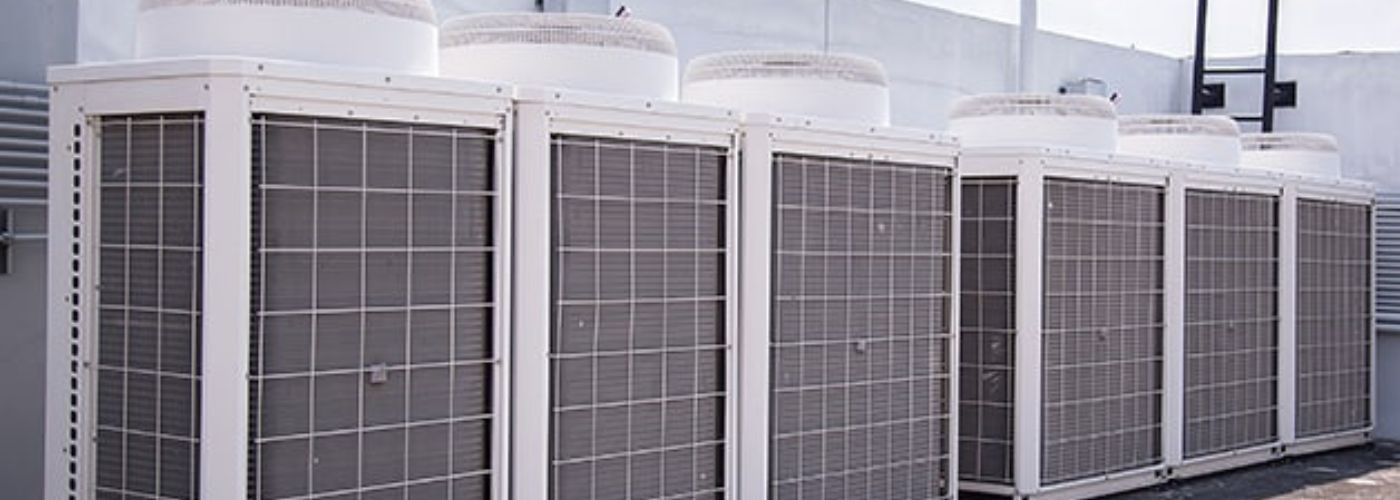
In most setups, there is one outdoor unit connected to multiple indoor units throughout the building. Each indoor unit can operate independently, which allows different rooms or offices to be heated or cooled at the same time.
The system uses advanced sensors and controls to monitor indoor conditions and adjust automatically. This not only improves comfort but also reduces strain on equipment, helping the system last longer and perform better over time.
Solves Uneven Temperatures With Precise Control
One major advantage of VRF systems for commercial properties is their ability to solve uneven humidity and temperature problems that often affect large buildings. In many offices or retail spaces, some rooms feel too hot while others feel too cold.
This happens because traditional systems push the same amount of air throughout the building, even when different spaces have different needs. With VRF technology, each indoor unit controls its own temperature, so every area can stay comfortable.
This precise control is especially helpful in buildings with varying sunlight exposure, large windows, or rooms with different occupancy levels. A conference room filled with people can receive more cooling, while a storage room can receive less.
The system adjusts automatically without requiring manual changes. As a result, employees and customers experience a more consistent and comfortable indoor environment, which can improve productivity and satisfaction.
Reduces Energy Waste Through On-Demand Use
Energy efficiency is another strong reason why VRF systems for commercial properties are a smart investment for building owners.
Traditional HVAC systems often waste energy because they operate at full capacity even when only part of the building needs heating or cooling.
VRF systems only deliver the exact amount of refrigerant needed for each zone. This on-demand approach prevents unnecessary energy use and lowers monthly utility bills.
Because the compressor speed adjusts instead of constantly cycling on and off, the system uses less electricity overall. This steady operation also reduces wear and tear, which can lower maintenance costs in the long run.
For businesses focused on sustainability, improved energy efficiency also means a smaller carbon footprint. Over time, the savings from reduced energy waste can offset installation costs and provide strong financial returns.
Minimizes Downtime With Scalable Design
Reliability is critical in commercial buildings, and VRF systems for commercial properties are built with scalability and flexibility in mind.
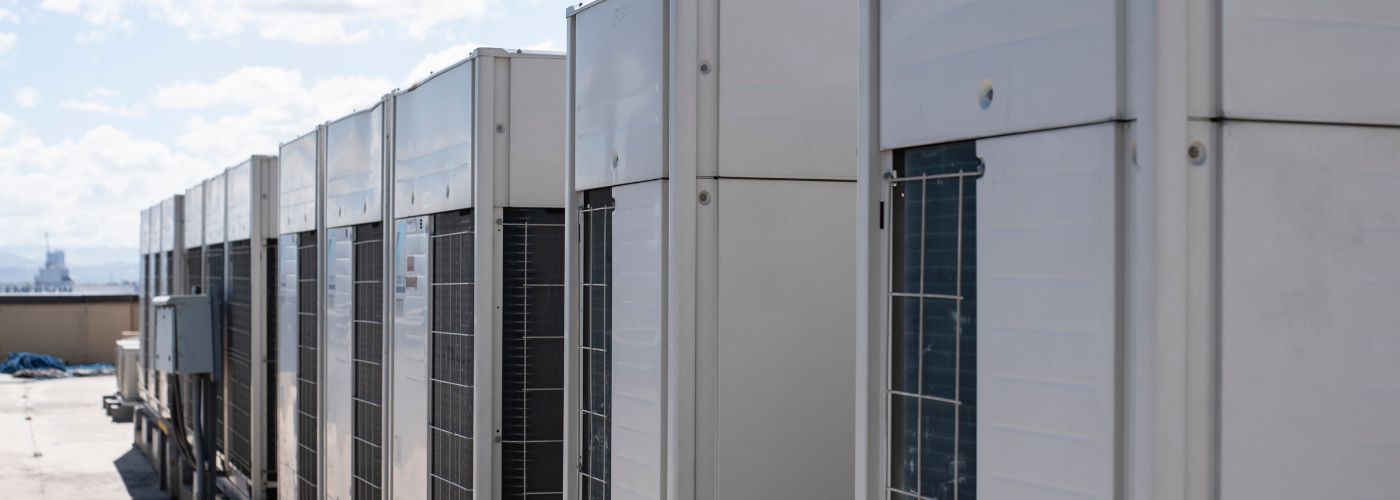
These systems can be expanded as a business grows, making it easier to add new zones or units without replacing the entire setup.
This modular design helps companies adapt their HVAC systems to changing needs without major disruptions.
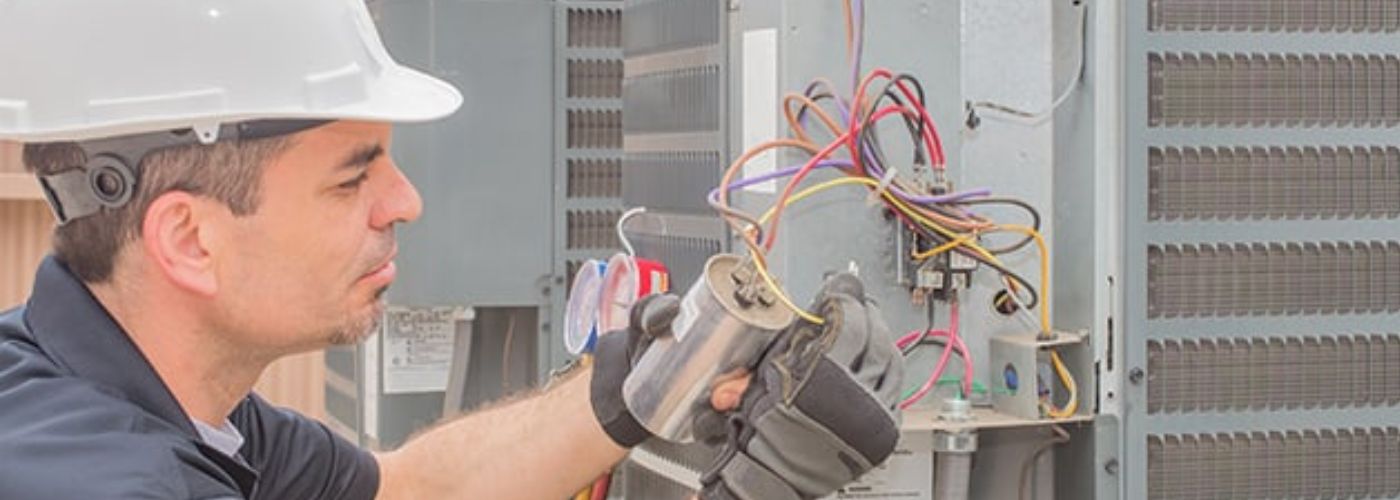
In addition, many VRF systems are designed with advanced diagnostics that alert technicians when maintenance is needed. This proactive monitoring reduces the risk of sudden breakdowns.
If one indoor unit needs service, it often does not shut down the entire building’s climate control. This keeps businesses running smoothly and prevents costly downtime that could affect employees, tenants, or customers.
Works With All Commercial Properties
Another reason VRF systems for commercial properties stand out is their versatility across different types of buildings.
Whether it is an office building, hotel, retail store, healthcare facility, or educational institution, these systems can be customized to fit unique layouts and operational needs.
Their compact design allows them to be installed in tight spaces, making them ideal for both new construction and renovation projects.
For older buildings that need HVAC upgrades, VRF systems can often be installed with minimal structural changes. This makes them a practical solution when space is limited or when preserving the building’s design is important.
From small commercial spaces to large multi-story facilities, the adaptability of these systems makes them suitable for nearly any commercial setting.
Allows Personalized Air Quality Control
Indoor air quality is a growing concern, and VRF systems for commercial properties provide better control over airflow and comfort settings.
Because each zone operates independently, building managers can tailor ventilation and temperature to match how each space is used. This level of personalization supports healthier and more comfortable indoor environments.
Modern VRF systems can also integrate with advanced filtration and ventilation components. This helps reduce dust, allergens, and other airborne particles inside the building.
In spaces where air quality directly affects health and performance, such as medical offices or corporate workspaces, better control makes a significant difference.
By allowing detailed adjustments to temperature and airflow, these systems help create a more pleasant and productive atmosphere for everyone inside.
Frequently Asked Questions (FAQ)
VRF stands for Variable Refrigerant Flow. It is an advanced HVAC technology that adjusts the amount of refrigerant delivered to each indoor unit based on real-time heating or cooling demand. This allows commercial buildings to maintain precise temperature control while reducing overall energy consumption.
Yes. VRF systems are highly energy-efficient because they operate on an on-demand basis. Instead of running at full capacity continuously, they adjust compressor speed and refrigerant flow to match each zone’s needs. This reduces energy waste, lowers utility costs, and helps businesses minimize their carbon footprint.
Yes. One of the key advantages of VRF systems for commercial properties is their ability to control multiple zones independently. This means one office can receive cooling while another receives heating, providing personalized comfort throughout the building.
VRF systems are often ideal for retrofit projects because of their compact design and flexible installation options. They can be installed with minimal structural changes, making them a practical solution for upgrading HVAC systems in older office buildings, hotels, retail stores, and other commercial properties.
VRF systems are designed for reliability and scalability. Many models include advanced diagnostics that alert technicians to potential maintenance needs before breakdowns occur. Their modular setup also allows individual indoor units to be serviced without shutting down the entire system, helping businesses avoid costly downtime.