

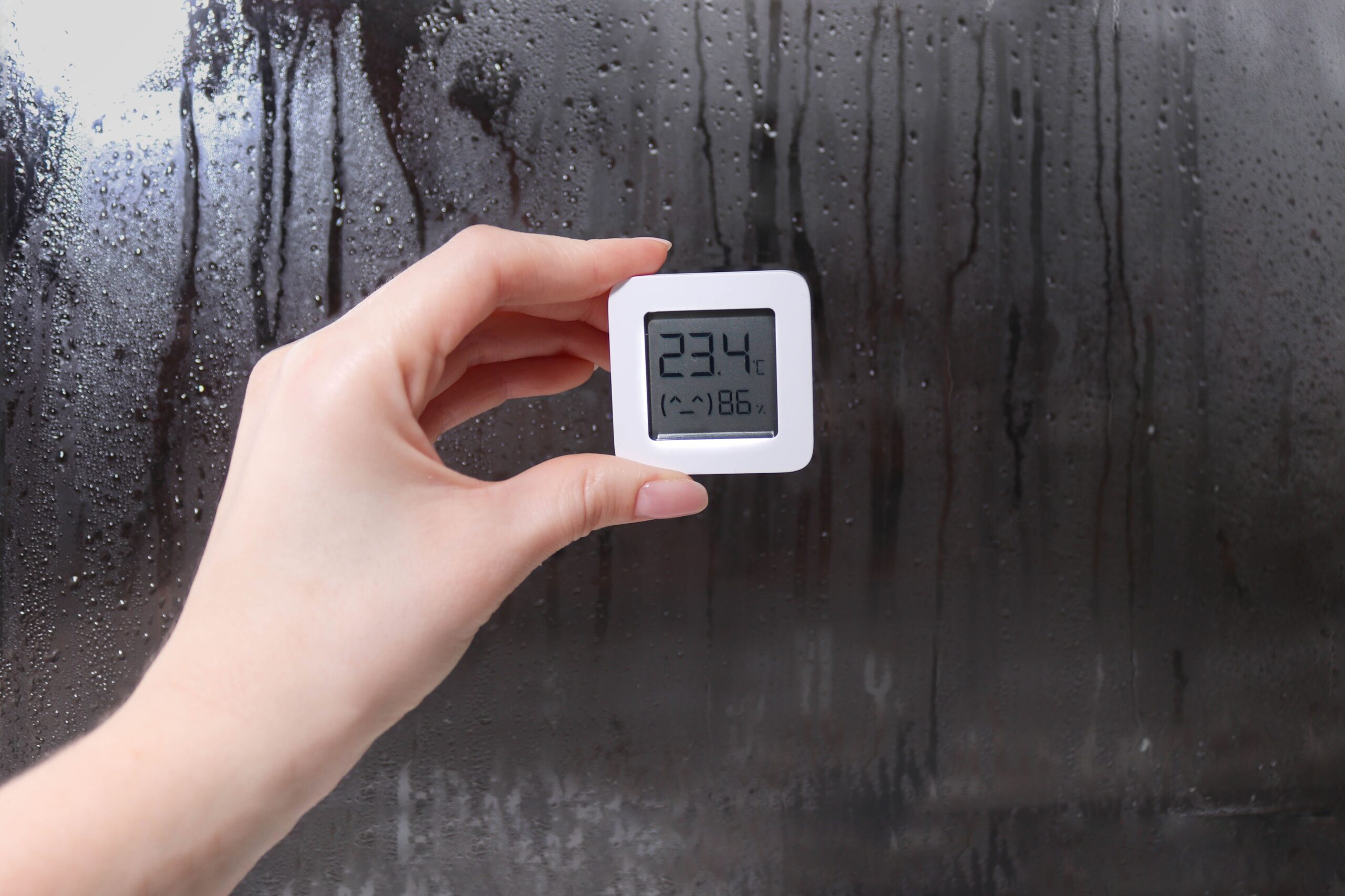
When it comes to home comfort, most people think about temperature first—but indoor humidity plays just as important of a role. If your home is too dry, you’ll feel itchy and uncomfortable. If it’s too damp, you’ll deal with musty odors, mold, and sticky air.
So, what should indoor humidity be for a healthy, comfortable home? Let’s break it down.
Why Indoor Humidity Matters
Humidity is the measure of moisture in the air, and it directly affects how comfortable your living space feels. A comfortable humidity level not only keeps you feeling better but also protects your home from damage.
Striking the right balance can prevent issues ranging from respiratory problems to warped wood floors.
Health Benefits of Ideal Home Humidity
Maintaining healthy humidity indoors reduces dry skin, throat irritation, and allergy flare-ups. On the other hand, excess moisture can trigger asthma and make it easier for mold and dust mites to thrive.
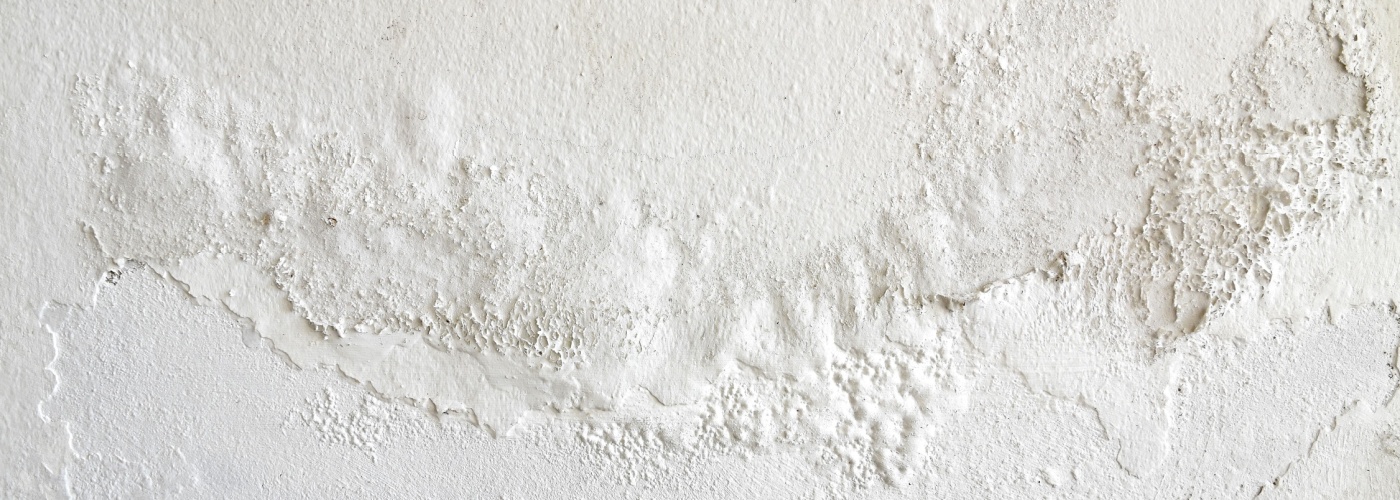
Too much or too little humidity in home can damage furniture, electronics, and even the structure of your house. Wood floors and doors can warp in overly damp conditions, while drywall and paint may crack when the air is too dry.
It’s best to maintain and test humidity levels by using a hygrometer, which is a device that measures the moisture content in the air.
What Is the Ideal Indoor Humidity?
The ideal indoor humidity level is typically between 30% and 50%.
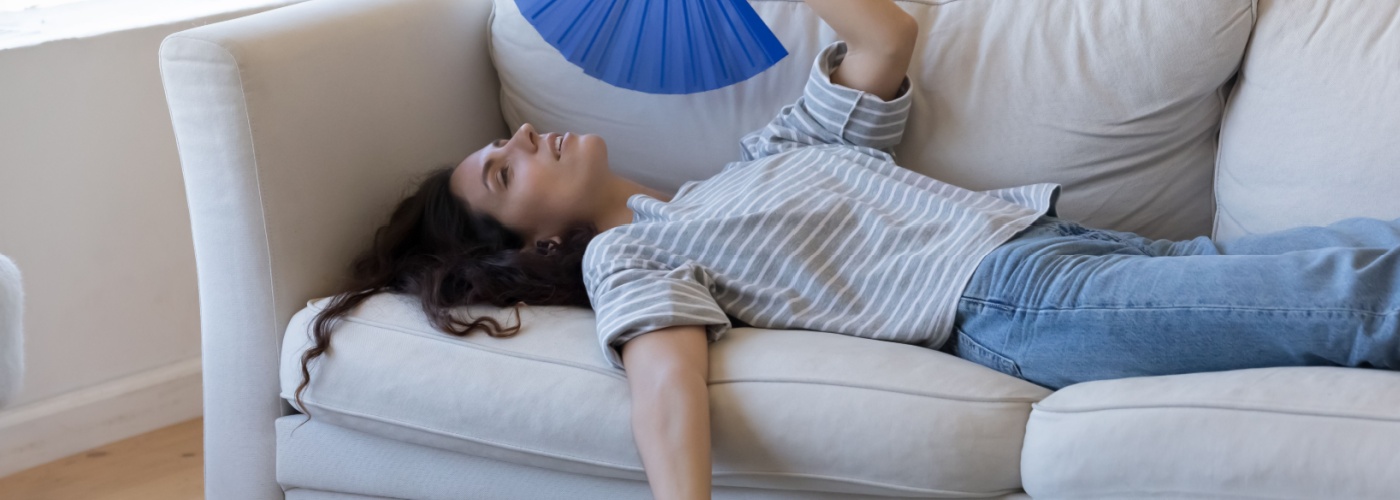
This range is widely considered the good humidity level for homes, striking a balance that supports both comfort and health.
Levels below 30% are often labeled as low humidity, while anything above 60% can encourage mold growth and excessive dampness.
What Is Considered Low Humidity?
What is considered low humidity? Anything under 30% is usually too dry.
In Los Angeles, where conditions can get arid, many households experience this issue. Low humidity leads to static electricity, itchy skin, and irritated sinuses.
What Is a Comfortable Humidity Level?
Most people agree that a comfortable humidity level sits around 40–50%.
This level keeps the air pleasant to breathe, reduces allergens, and ensures your home feels inviting without feeling sticky or overly dry.
Seasonal Indoor Humidity Recommendations
Humidity needs can shift depending on the time of year. Here’s what’s generally recommended for the normal humidity in house by season:
- Winter: 30–40% to reduce dryness from heating systems.
- Spring: 40–50% to balance fluctuating weather.
- Summer: 40–50% for cooling comfort and to control excess dampness.
- Fall: 35–45% to stabilize indoor air as temperatures drop.
Optimal Humidity in Los Angeles Homes
Los Angeles humidity is often low due to the region’s dry climate. This means many households struggle with dry air indoors, particularly in the winter.
However, during summer, humidity levels can spike, leading to muggy and uncomfortable conditions inside homes. Understanding optimal indoor humidity in Los Angeles is key to avoiding both extremes.
How Climate Affects Humidity in Los Angeles
Unlike other parts of the country, humidity levels in Los Angeles vary drastically depending on the season.
That’s why knowing the ideal humidity for home comfort year-round is important for long-term health and efficiency.
Signs Your Indoor Humidity Isn’t Right
Signs of Low Humidity
- Dry, itchy skin
- Static electricity shocks
- Cracking wood or peeling paint
- Frequent nosebleeds or sore throats
Signs of High Humidity
- Musty odors in the house
- Condensation on windows
- Mold or mildew growth
- Sticky, heavy air
How to Maintain Optimal Indoor Humidity
Use a Humidifier or Dehumidifier
If your home is too dry, a humidifier can restore moisture to the air. If it’s too damp, a dehumidifier will pull excess water vapor out, helping you maintain optimal humidity in home. A home purifier can also help with clean indoor air quality.
Upgrade Your HVAC System
Modern HVAC systems, including those offered by Lions Heating & Air Conditioning, often include built-in humidity control.
This ensures your home stays at the ideal indoor humidity level automatically.
Monitor Humidity Levels
A hygrometer is an inexpensive tool that measures indoor humidity.
Keep one in your living room or bedroom to track changes and adjust as needed.
The Ideal Humidity for Home Comfort
So, what should the humidity inside be? For most households, the answer is between 30% and 50%. This range supports good health, protects your home, and ensures you feel comfortable year-round.
For Los Angeles homeowners, balancing indoor humidity can be tricky due to seasonal climate changes, but it’s achievable with the right tools and HVAC solutions.
If you’re unsure about your home’s air quality, reach out to Lions Heating & Air Conditioning.
Our team specializes in helping Los Angeles homeowners achieve optimal indoor humidity for healthier, more comfortable living.
Frequently Asked Questions (FAQ)
Yes. If your home is too humid, your air conditioner has to work harder to remove excess moisture, which increases energy use. On the other hand, overly dry air in winter can make your heating system run longer to maintain comfort.
Modern HVAC systems often have built-in humidity control features. If you notice frequent condensation, dryness, or discomfort despite running your system, it may be time for an inspection or an upgrade to equipment with humidity management.
Bathrooms, kitchens, and basements typically experience the most humidity fluctuations. These spaces are prone to excess moisture, which can lead to mold, odors, or damage if not properly ventilated.