

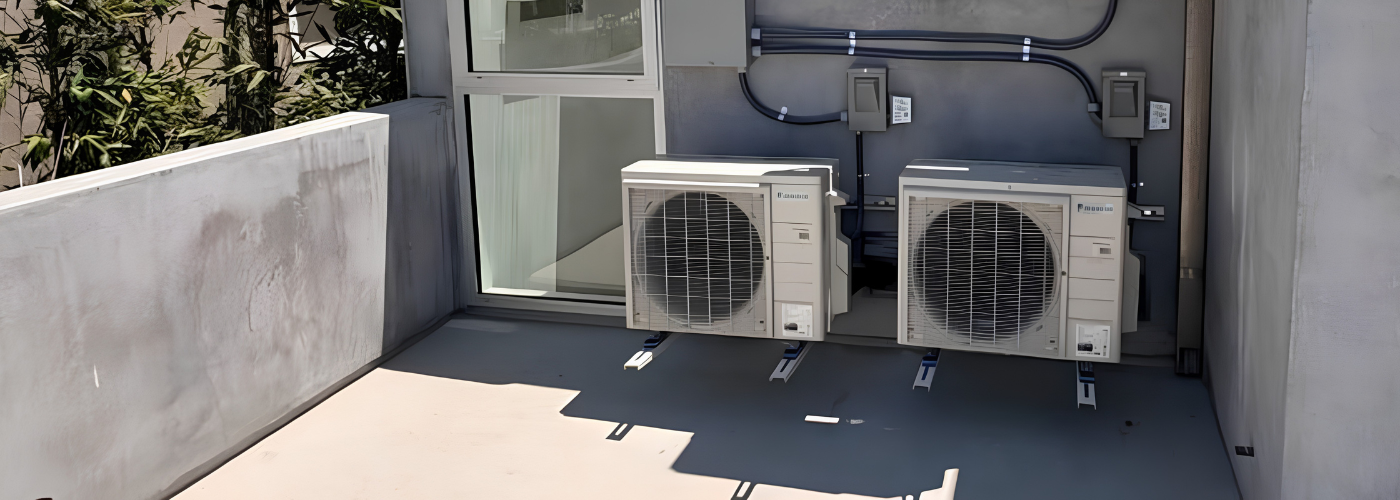
It’s a very common assumption—one we had ourselves early on—that a single multi-unit system is always the more cost-effective option compared to installing several single-zone units. It sounds logical: one outdoor unit instead of several should mean lower cost.
In practice, though, the overall project cost often ends up being very similar—and in some cases, multi-unit systems can even cost more once everything is factored in.
There are some upfront savings with a multi-unit setup. Since it operates as a single system, you only need one disconnect box, one surge protector, a single electrical line, and one pad or wall bracket. On the surface, that seems like a clear advantage.
However, that’s where the balance starts to shift.
Multi-unit systems typically require longer line sets, additional line set covers, extra UV protection, and extended communication wiring. These are some of the more expensive components of the installation—and depending on the layout, they can add up quickly, sometimes offsetting (or exceeding) the initial savings.
Multi-unit systems also tend to have higher equipment costs due to their more complex design, additional line connections, and internal valve components.
On top of that, longer line runs can impact performance. The system has to work harder to move refrigerant across greater distances, which can reduce efficiency, increase energy usage, and put more strain on the compressor over time.
When you look at the full picture, the idea that multi-unit systems are always cheaper doesn’t always hold true. In many cases, single-zone systems provide comparable—or even better—value, especially when considering efficiency, longevity, and overall system performance.
We’ll go into more detail on efficiency in the next section.
Efficiency Comparison: Is One Compressor Better Than Multiple?
A common question is whether using one larger compressor is better, more efficient, or more cost-effective than using multiple systems.
1. Multi-Zone systems don’t run efficiently at low demand
Every inverter compressor has a minimum capacity- it can’t go below a certain level.
With a multi-zone system, the compressor is designed to handle multiple indoor units. When only one or some are running (which is how most homes actually operate), the system adjusts—but it can’t fully optimize for such a small load. As a result, it doesn’t perform as efficiently as a single-zone system that’s properly sized for that specific space.
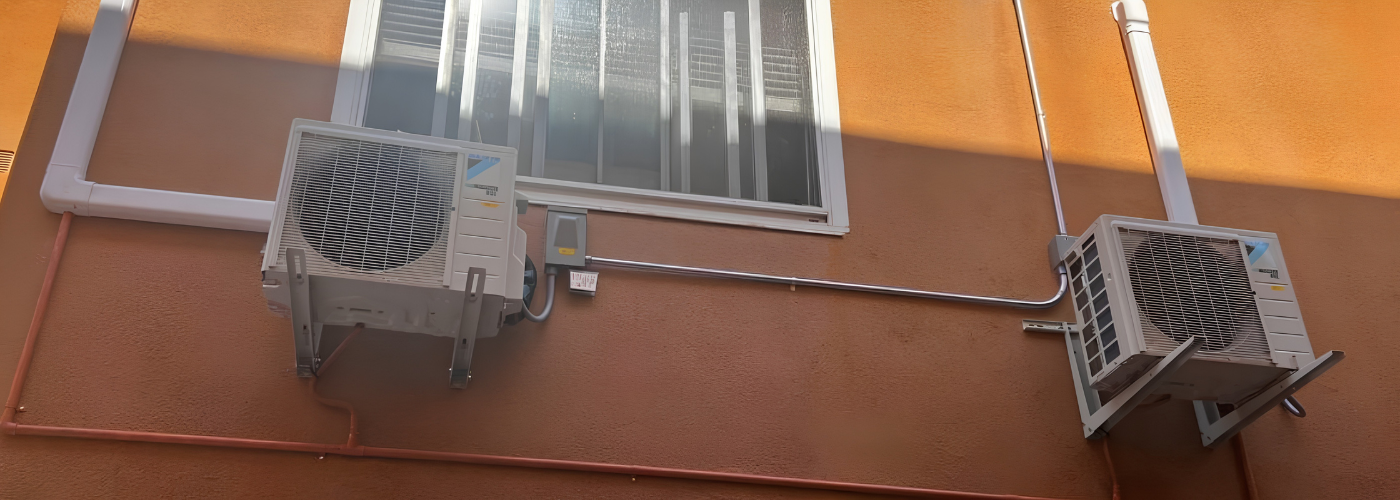
In other words, you never achieve the full efficiency rating shown on the sticker in real-world operation.
2. Longer refrigerant lines reduce efficiency
There’s also a design factor. Multi-zone systems require all indoor units to connect to the same outdoor unit, which usually means longer refrigerant lines.
Longer lines mean the system has to work harder to move refrigerant.
A system that works harder all the time will have a shorter lifespan and more repairs and service issues over time.
When all indoor units are running at the same time, efficiency drops- unless the line sets are shorter than 20 feet, which is rare in real-world installations.
Bottom line: Whether you’re using just one indoor unit or running all of them at once, efficiency can drop significantly.
Comfort
Repairs- Let’s start with a basic—but often overlooked—reality: systems can break down. No matter how well the installation is done, it can still happen. With multi-zone systems, you lose one of the key advantages of having separate units. If the outdoor unit goes down, all connected indoor units are affected—meaning the entire system is out, not just one area, not just one room.
With single-zone systems, a failure is isolated. One room may be affected, but the rest of the home stays comfortable.
Unit Operation- We’re fortunate to have great weather here in California. Many days aren’t too hot or too cold, and depending on the home’s layout, sun exposure, and shading, different rooms can feel very different.
It’s not unusual for one person to want cooling in one room, while someone else may want heating in another part of the house. We’ve seen this scenario many times. While multi-zone systems allow different temperature settings for each indoor unit, they must all operate in the same mode—either heating or cooling.
Trying to run opposing modes can lead to system issues and, in some cases, even compressor failure and lockouts.
Warranty Reality: “But It Comes with a 10-Year Manufacturer Warranty…”
This is where things can get a bit tricky.
Just like car manufacturers, HVAC systems change every few years—and there are a couple of key reasons for that.
#Regulations
We’ve already seen this with the recent transition from R410A to newer refrigerants like R32 and R454B. Federal and state regulations evolve, and manufacturers have to update their systems to stay compliant. This happens regularly, especially as regulations evolve over time and with changes in state and federal administration.
#Technology
Technology also moves quickly. What’s considered top-of-the-line today may not be competitive in just a few years. To keep up, manufacturers are constantly updating designs, improving efficiency, and releasing new models.
What used to change every 10–15 years now happens every 4–6 years.
So Where’s the Issue?
Even with the best systems, components can fail—that’s exactly why warranties exist. But here’s the catch: if a major component fails, it often requires replacing the entire unit under warranty.
If the original model is no longer being manufactured, the manufacturer will provide a newer model as a replacement—but the problem is that newer models are often not compatible with older systems (like the unit we’re discussing here).
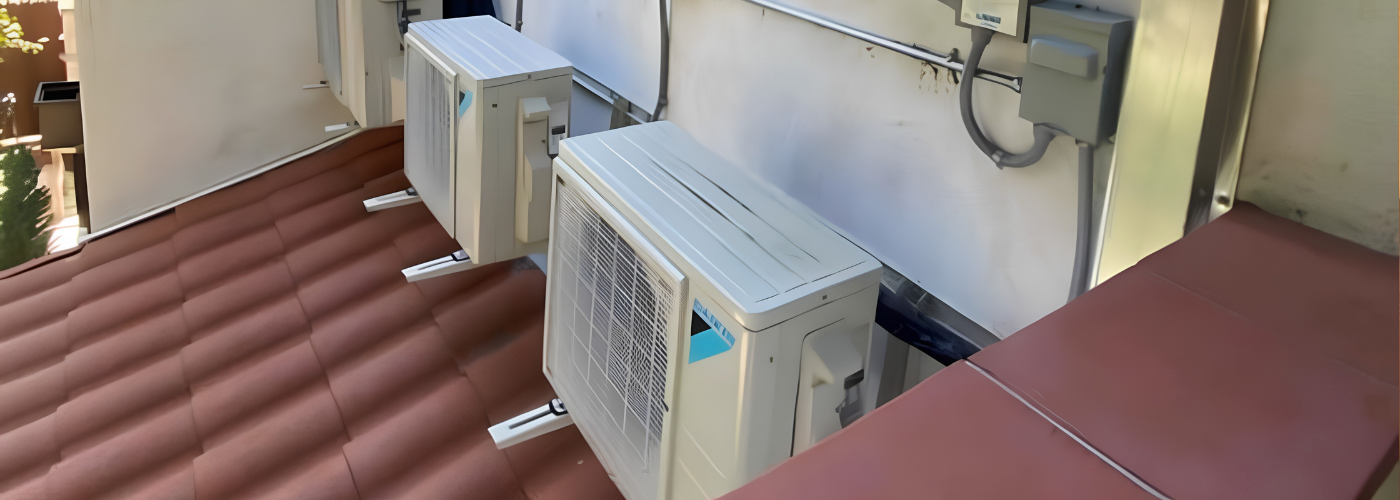
With a multi-zone setup, this can create a serious issue. If an indoor unit needs to be replaced, the new unit may not work with the existing outdoor system. If the outdoor unit fails, it’s even more impactful. Since it connects to all indoor units, a compatibility issue can affect the entire system and force you to replace the entire setup.
Why Does This Matter?
With single-zone systems, the risk is much more contained. At worst, you’re replacing one indoor and one outdoor unit—and the rest of your system remains unaffected.
Another important factor to consider is what happens when a regular repair is needed.
In most cases, diagnosing and repairing a multi-zone system is more complex. This is due to the technology, installation layout, and the overall design with multiple lines, which makes it more difficult to identify where the issue is and which unit it’s related to. Longer diagnostics and longer repair times mean higher costs and more time with the system not operating.
Another important point is that multi-zone systems are not as common as single-zone systems. As a result, most suppliers do not keep parts in stock. Even under warranty, wait times for parts can be significantly longer—often 3–5 times longer than for single-zone systems.
Is There Any Scenario Where I Should Consider Multi-Zone?
While single-zone systems are typically the “gold standard” for reliability and performance, there are some scenarios where a multi-zone system may be the only practical option.
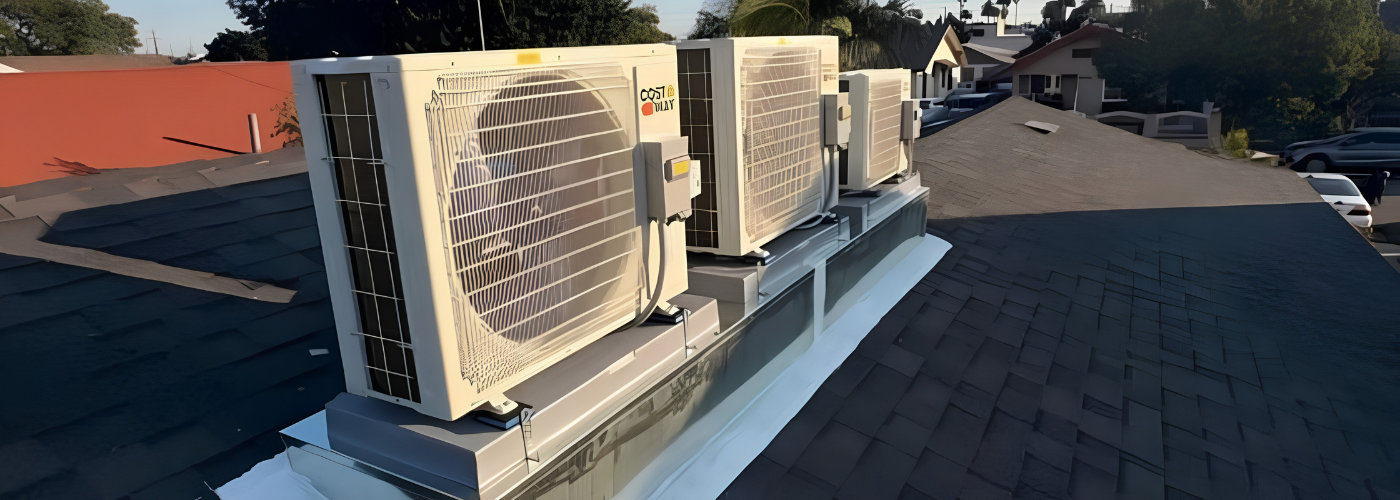
Limited Outdoor Space- In properties with tight lot lines, condos, or HOA restrictions, you may only have space for one outdoor unit or a single approved mounting location. A multi-zone system helps keep the exterior clean and compliant with these limitations.
Roof Weight Restrictions- If the total weight of HVAC equipment on a roof exceeds 400 lbs, the city may require a structural engineering report. This can add thousands of dollars in cost and weeks of delays. In these cases, a single multi-zone unit can help reduce the overall load. Even though more singles can spread better, and some can be located on the ground.
Electrical Limitations- Multiple single-zone systems require multiple breakers, and not every electrical panel has enough space to support them. This can be especially challenging in older condos or apartments where electrical capacity and upgrade options are limited. In many cases, this issue can still be resolved by installing a subpanel to create additional breaker space.
It is also important to understand that having more breakers and electrical lines does not necessarily mean the systems will consume more power overall compared to one multi-zone condenser.
Frequently Asked Questions (FAQ)
Not always. While multi-zone systems can reduce the number of outdoor units needed, they often require longer refrigerant lines, additional wiring, and more complex installation materials. In many cases, the overall cost ends up being similar to—or even higher than—installing multiple single-zone systems.
Single-zone mini split systems are often more energy-efficient because they are designed specifically for one space. Multi-zone systems may lose efficiency when only one indoor unit is operating or when refrigerant lines are very long, causing the compressor to work harder.
If the outdoor condenser on a multi-zone system fails, every connected indoor unit will stop working. With single-zone systems, a failure is isolated to one room or area, allowing the rest of the home to continue heating or cooling normally.
Most standard multi-zone mini split systems cannot run heating and cooling modes simultaneously. While each indoor unit can have its own temperature setting, the system usually requires all zones to operate in either heating or cooling mode at the same time.
Multi-zone systems are often the best option for properties with limited outdoor space, HOA restrictions, roof weight limitations, or electrical panel constraints. In these situations, using a single outdoor unit may be more practical than installing multiple separate systems.