
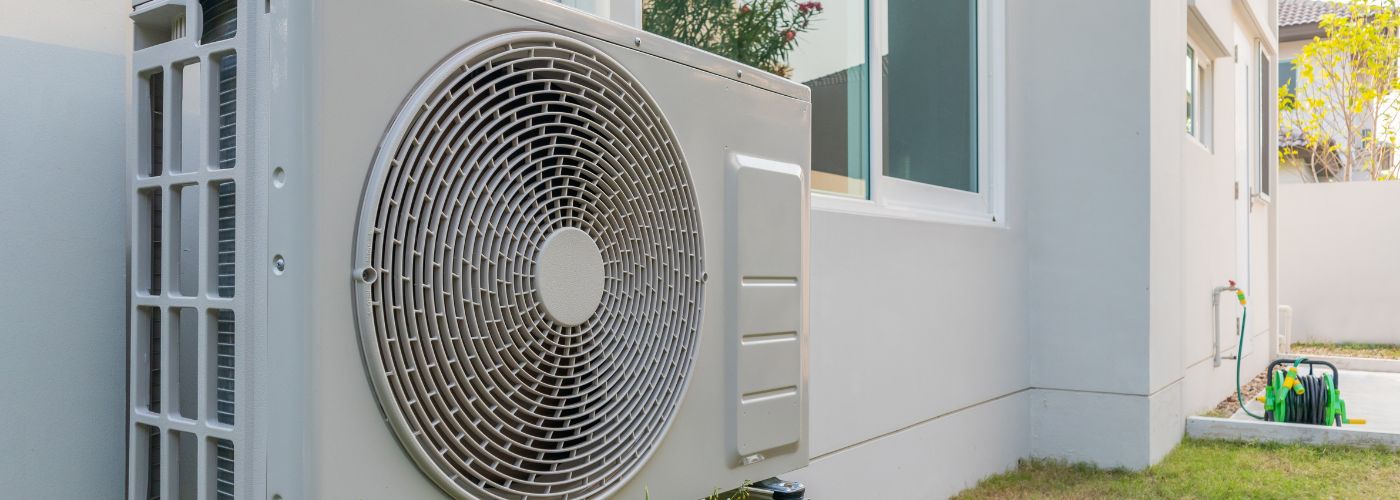
HVAC systems work hard throughout the year to keep homes and businesses comfortable. Over time, however, different issues can develop that make the system work harder while delivering less heating or cooling.
This can lead to higher energy bills, uneven temperatures, and more frequent repairs. This article goes over the most common reasons HVAC systems lose efficiency and what causes these problems to develop.
The Reasons HVAC Systems Lose Efficiency Over Time
There are many reasons HVAC systems lose efficiency as they age and continue operating through changing seasons. Even a well-installed system experiences wear and tear over the years.
Components naturally become less effective, dirt accumulates in critical areas, and airflow restrictions can slowly develop without homeowners noticing. These small problems often build over time and eventually create noticeable performance issues.
When efficiency drops, the system typically consumes more energy while providing less comfort, creating a cycle of higher operating costs and increased strain on equipment.
Environmental conditions, maintenance habits, and system age all play important roles in determining how efficiently an HVAC unit performs. Understanding the most common causes can help property owners identify problems early and take steps to maintain reliable operation.
Aging HVAC Components That Struggle to Maintain Performance
As equipment gets older, it becomes one of the leading reasons HVAC systems lose efficiency. Motors, compressors, blower assemblies, and electrical components all experience wear during years of operation.
While these parts may continue functioning, they often do so with reduced effectiveness compared to when the system was new.
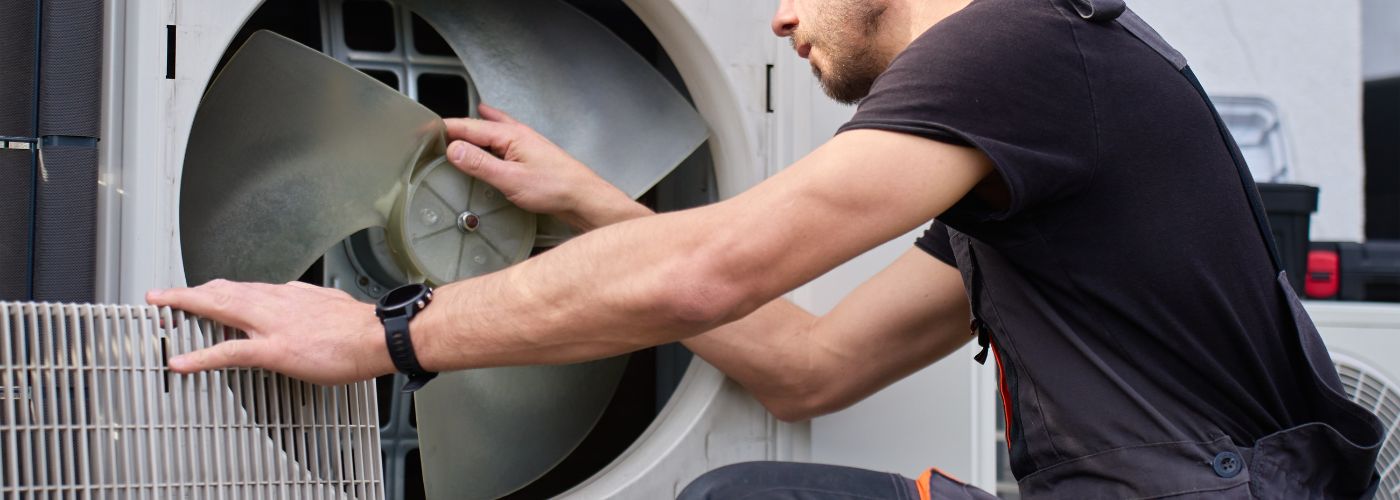
Mechanical wear can increase friction, decrease airflow performance, and force equipment to work harder to achieve the same results. Older components may also become less responsive, causing longer operating cycles and reduced temperature control.
In some cases, aging parts can create additional strain on surrounding components, accelerating overall system deterioration.
Even when an older HVAC system appears to be running normally, internal wear can quietly reduce performance and increase energy consumption.
Regular inspections can help identify aging parts before they cause larger operational problems or unexpected system failures.
Leaky Ductwork That Causes Conditioned Air Loss
One of the most overlooked reasons HVAC systems lose efficiency is leaking ductwork. Ducts are responsible for transporting conditioned air throughout a building, but gaps, cracks, or loose connections can allow that air to escape before it reaches the intended rooms.
When air leaks into attics, crawl spaces, or wall cavities, the system must run longer to achieve the desired indoor temperature.
Even small leaks can have a significant impact on overall performance. The HVAC equipment may continue producing heated or cooled air properly, but much of that air never reaches the living space.
This wasted energy often results in uneven temperatures between rooms and increased monthly utility costs.
Many homeowners are surprised to learn that hidden duct leaks can waste a substantial amount of conditioned air before it ever reaches occupied areas.
Professional duct inspections and sealing services can help restore airflow efficiency and improve comfort throughout the property.
Low Refrigerant Levels That Affect Cooling Capacity
Low refrigerant levels are another common factor among reasons HVAC systems lose efficiency. Refrigerant plays a critical role in the cooling process by absorbing heat from indoor air and releasing it outdoors.
When refrigerant levels drop below manufacturer specifications, the system loses its ability to cool effectively.
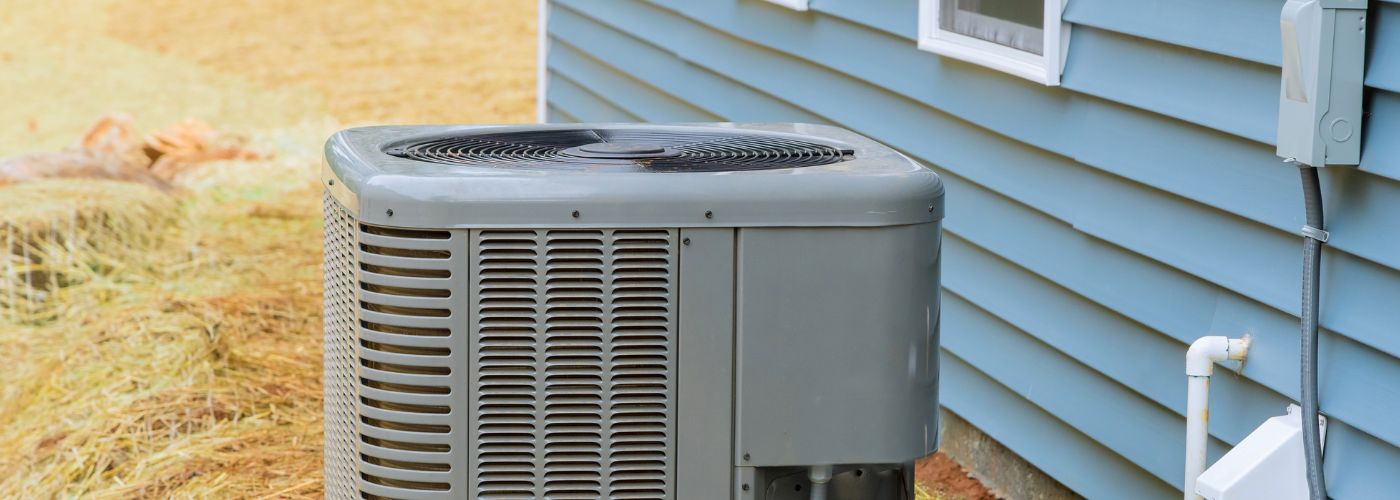
Refrigerant does not get used up during normal operation, so low levels often indicate a leak somewhere within the system. As the refrigerant decreases, cooling cycles become longer and less effective.
Occupants may notice warmer indoor temperatures, longer run times, and higher energy bills during hot weather.
A system operating with insufficient refrigerant often experiences greater stress because it must work much harder to achieve the desired temperature.
Ignoring refrigerant issues can eventually lead to compressor damage, which is often one of the most expensive HVAC repairs.
Incorrect Thermostat Settings That Reduce Energy Efficiency
Thermostat settings may seem simple, but they are often among the overlooked reasons HVAC systems lose efficiency.
When temperature settings are adjusted too frequently or programmed improperly, the system may cycle unnecessarily or run longer than needed. These habits can increase energy usage without providing additional comfort.
Many modern thermostats include programmable schedules designed to improve efficiency. However, incorrect programming can cause heating or cooling equipment to operate during times when the building is unoccupied.
Constant manual adjustments can also prevent the system from maintaining consistent performance.
Small thermostat mistakes repeated every day can gradually contribute to significant increases in annual energy consumption.
Proper thermostat programming allows the HVAC system to operate more efficiently while maintaining comfortable indoor temperatures throughout the day.
Dirty Air Filters That Restrict Proper Airflow Throughout the System
Dirty air filters remain one of the most common reasons HVAC systems lose efficiency. Air filters are designed to capture dust, pollen, pet dander, and other airborne particles before they enter sensitive system components.
Over time, these particles accumulate and create airflow restrictions that limit system performance.
When airflow becomes restricted, the HVAC system must work harder to move air through the equipment and into living spaces.
Reduced airflow can affect both heating and cooling performance while increasing strain on motors and other components. Occupants may notice weak airflow from vents, inconsistent temperatures, or rising utility costs.
A simple clogged filter can force an entire HVAC system to operate under unnecessary stress, reducing efficiency and potentially shortening equipment lifespan.
Replacing filters on a regular schedule is one of the easiest and most effective ways to maintain system performance and improve indoor air quality.
Frequently Asked Questions (FAQ)
HVAC systems naturally lose efficiency due to aging components, airflow restrictions, dirty filters, refrigerant issues, and normal wear and tear. As these problems develop, the system must work harder to maintain comfortable temperatures, increasing energy consumption and operating costs.
Yes. Dirty air filters restrict airflow throughout the system, forcing the blower motor and other components to work harder. This can reduce heating and cooling performance, increase energy bills, and place unnecessary stress on the equipment.
Leaky ductwork allows conditioned air to escape into attics, crawl spaces, or wall cavities before it reaches occupied rooms. This wasted air forces the HVAC system to run longer, leading to uneven temperatures, higher utility costs, and reduced overall efficiency.
Common signs include longer cooling cycles, reduced cooling performance, warmer indoor temperatures, frozen coils, and rising energy bills. Because refrigerant does not get consumed during normal operation, low levels often indicate a leak that should be professionally repaired.
Absolutely. Incorrect thermostat programming, frequent temperature adjustments, or running the system when no one is home can increase energy usage. Proper thermostat settings and scheduling help maintain comfort while reducing unnecessary strain on the HVAC system.