


Some areas in a home can feel sticky, damp, or warmer than others, even when the temperature is set the same throughout the house. Humidity problems often come from airflow issues, hidden moisture, or structural problems that affect how air moves and settles indoors.
This article goes over the common causes behind why certain spaces feel more uncomfortable than others and what may be contributing to the problem.
Why Some Rooms Feel More Humid
The issue behind why some rooms feel more humid often comes down to how moisture and air circulation behave in different parts of a home. Certain rooms naturally trap heat and moisture faster than others because of their location, layout, or lack of proper airflow.
Rooms near bathrooms, kitchens, laundry areas, or poorly ventilated spaces may hold onto moisture longer, creating an uncomfortable indoor environment.
Homes are rarely balanced perfectly when it comes to airflow and temperature control. Even modern systems can struggle to distribute conditioned air evenly to every area.
When moisture builds up faster than it can escape, the room can begin to feel heavy, sticky, and noticeably warmer than the surrounding areas. This can make certain rooms harder to enjoy and may even lead to long-term indoor air quality concerns if the issue is ignored.
Huge Insulation Gaps Within The Home
Poor insulation is another common reason why some rooms feel more humid than others inside a house. Insulation helps regulate temperature and moisture movement between indoor and outdoor spaces.
When insulation is missing or damaged, warm outdoor air can enter the room more easily and increase humidity levels indoors.
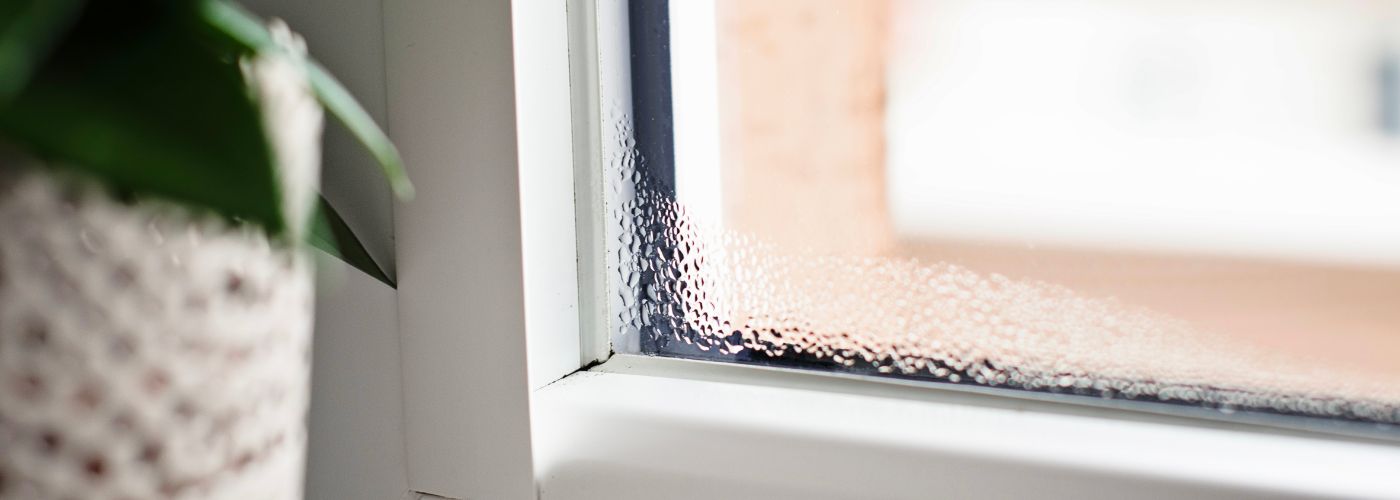
Attic-adjacent rooms often experience this issue more severely because heat from the roof transfers downward into the living space. As warm air enters the room, it can create condensation and make the area feel damp or uncomfortable.
Insulation problems are especially noticeable during hot summer months when outdoor humidity levels are already elevated.
Older homes may have insulation that has shifted, deteriorated, or never fully covered certain wall sections. This creates hidden weak spots where heat and moisture can move freely into the room.
Windows, ceilings, and exterior-facing walls are common areas where insulation gaps can cause indoor humidity problems to become more noticeable. When these gaps become too common, insulation replacement is needed.
HVAC System Imbalances and Air Distribution
One major factor behind why some rooms feel more humid is uneven HVAC performance throughout the home. Air conditioning systems are designed to remove moisture while cooling the air, but if airflow is weak in one room, humidity levels may remain higher there.
Long duct runs, improperly sized vents, or aging HVAC equipment can all contribute to poor air circulation.
Rooms located farther away from the main HVAC unit often receive weaker airflow compared to rooms located closer to the system. This means cool, dry air may never fully reach those areas.
Even a small airflow imbalance can create a noticeable difference in comfort between rooms that are only a few feet apart. Over time, this uneven distribution can make certain areas feel muggy while others remain cool and comfortable.
Dirty air filters can also make the problem worse by restricting airflow throughout the system. When filters become clogged, the HVAC unit has to work harder to move air efficiently.
This can reduce moisture removal and allow humidity to build up in rooms that already struggle with circulation problems.
Constant Sun Exposure and Heat Retention
Rooms that receive direct sunlight for long periods during the day often struggle with excess heat buildup. This is another important reason why some rooms feel more humid compared to other areas in the home.
Large windows, poor window coverings, and west-facing rooms tend to absorb and retain more heat throughout the afternoon and evening.

As temperatures rise inside the room, the air can begin to hold more moisture, creating that sticky or damp feeling many homeowners notice. Rooms with darker flooring, heavy furniture, or poor ventilation may also trap heat longer after the sun goes down.
Heat retention can continue affecting humidity levels well into the evening, even after outdoor temperatures begin to cool.
Upper-floor bedrooms are particularly vulnerable because warm air naturally rises within a home. Without proper ventilation or airflow, that heat becomes trapped and combines with indoor moisture.
Ceiling fans, blackout curtains, and improved ventilation can sometimes help reduce the effects of solar heat gain in these spaces.
Leaks or Hidden Water Issues Prevalent
Hidden water problems are one of the more serious explanations for why some rooms feel more humid inside a home.
Leaky pipes, roof damage, or moisture trapped behind walls can slowly increase indoor humidity levels without obvious warning signs at first. In many cases, homeowners only notice the room feels damp or smells musty before discovering the actual source of the problem.
Bathrooms, laundry rooms, and basement areas are especially prone to moisture buildup because water is already frequently present in these spaces. Even a slow plumbing leak behind drywall can continuously release moisture into the air over time.
Unchecked water intrusion can eventually lead to mold growth, structural damage, and worsening indoor air quality.
Some signs of hidden moisture issues include peeling paint, warped flooring, water stains, or a persistent musty odor. Condensation on windows may also indicate elevated humidity levels caused by hidden leaks.
Addressing water issues early can help prevent larger repair costs and improve overall comfort throughout the home.
Air Vents Are Blocked And Causing Issues
Blocked or obstructed vents are another simple but common reason why some rooms feel more humid than others. HVAC systems rely on consistent airflow to regulate both temperature and moisture levels.
When vents are blocked by furniture, rugs, curtains, or dust buildup, conditioned air cannot circulate properly through the room.
Restricted airflow allows humidity to settle and linger inside the space instead of being removed by the HVAC system. This can make the room feel warmer, stuffier, and less comfortable than nearby areas with better airflow.
Many homeowners overlook blocked vents because the issue develops gradually and may not seem immediately noticeable.
Closed vents can also create pressure imbalances within the HVAC system that affect nearby rooms as well. In some cases, homeowners intentionally close vents, thinking it will save energy, but this often causes circulation problems instead.
Keeping vents clean, open, and unobstructed can improve airflow and help reduce humidity buildup throughout the home.
Frequently Asked Questions (FAQ)
Some rooms feel more humid because of poor airflow, insulation gaps, blocked vents, or excess heat buildup. Rooms near bathrooms, kitchens, attics, or areas with direct sunlight often trap more moisture and heat than other parts of the home.
Yes. Uneven airflow, dirty air filters, aging HVAC equipment, or poorly designed ductwork can prevent your air conditioning system from removing moisture properly. This often causes certain rooms to feel damp, sticky, or warmer than others.
Blocked vents can restrict airflow and prevent conditioned air from circulating properly. When cool air cannot move through the room efficiently, moisture may linger and create higher humidity levels inside the space.
Absolutely. Missing or damaged insulation allows warm outdoor air and moisture to enter the home more easily. This is especially common in attic-adjacent rooms, older homes, and spaces with poorly insulated exterior walls or ceilings.
If a room constantly feels damp, smells musty, develops condensation, or shows signs of water stains or mold growth, there may be a hidden moisture issue. Leaks, plumbing problems, or ventilation issues should be inspected quickly to prevent structural damage and poor indoor air quality.