










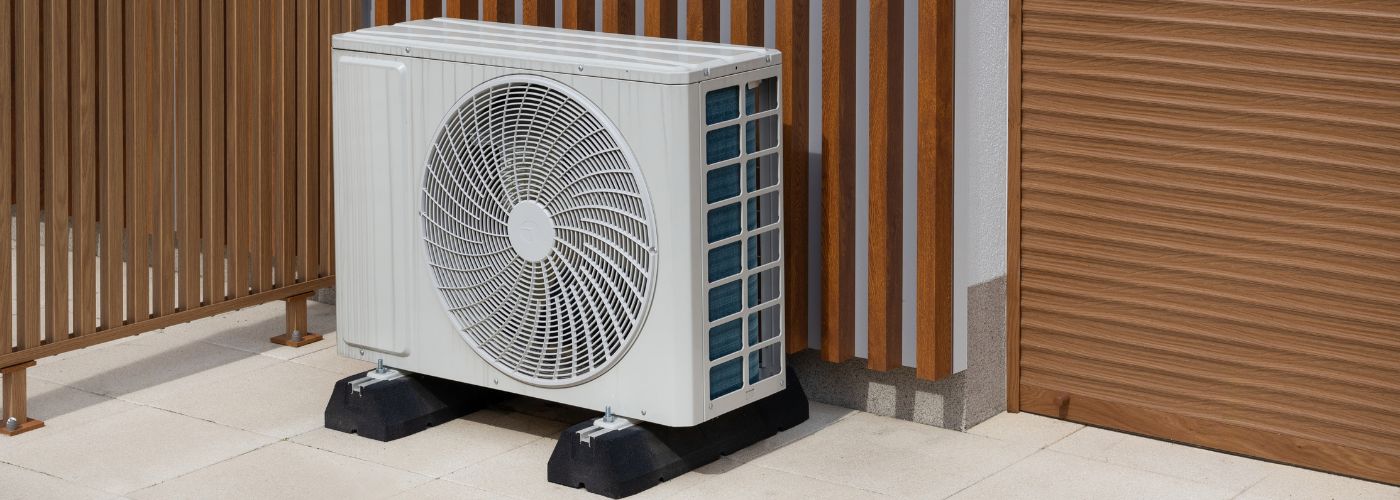
Choosing a heating and cooling system can be confusing when several options appear to provide similar results. Understanding heat pump vs central air can make it easier to compare how each system works, what it costs to operate, and which option best fits a home’s comfort needs; this article covers the main differences homeowners should know.
Differences Between Heat Pump vs Central Air
The biggest difference between heat pump vs central air is what each system is designed to do. A central air conditioner is primarily a cooling system. It removes heat from inside the home and transfers it outdoors.
When heating is needed, a central air conditioner is commonly paired with a separate furnace or another heating source. A heat pump uses a similar refrigeration process for cooling but can reverse that process when temperatures fall.
This means a heat pump can provide both heating and cooling from the same system. During warm weather, it moves heat from inside the house to the outdoors. During cooler weather, it pulls available heat from the outdoor air and transfers it inside.
Homeowners comparing systems should consider their climate, existing equipment, ductwork, energy source, and comfort needs, not just the equipment itself.
The biggest difference is that a heat pump can provide both heating and cooling, while a standard central air conditioner is designed mainly for cooling.
Homes that already have a furnace may continue using central air alongside that equipment, while homeowners replacing multiple parts of an older HVAC setup may consider a heat pump.
Understanding the available air conditioning installation options can also help when comparing different systems for an existing home.
Heating and Cooling Capabilities of Each System
Heating and cooling capabilities are a major part of the heat pump vs central air comparison. In summer, the two systems operate similarly. The refrigerant absorbs indoor heat, and the system carries it outdoors.
The system then distributes the cooled air throughout the home. For homeowners primarily concerned about summer temperatures, either type of properly sized system can provide effective cooling.
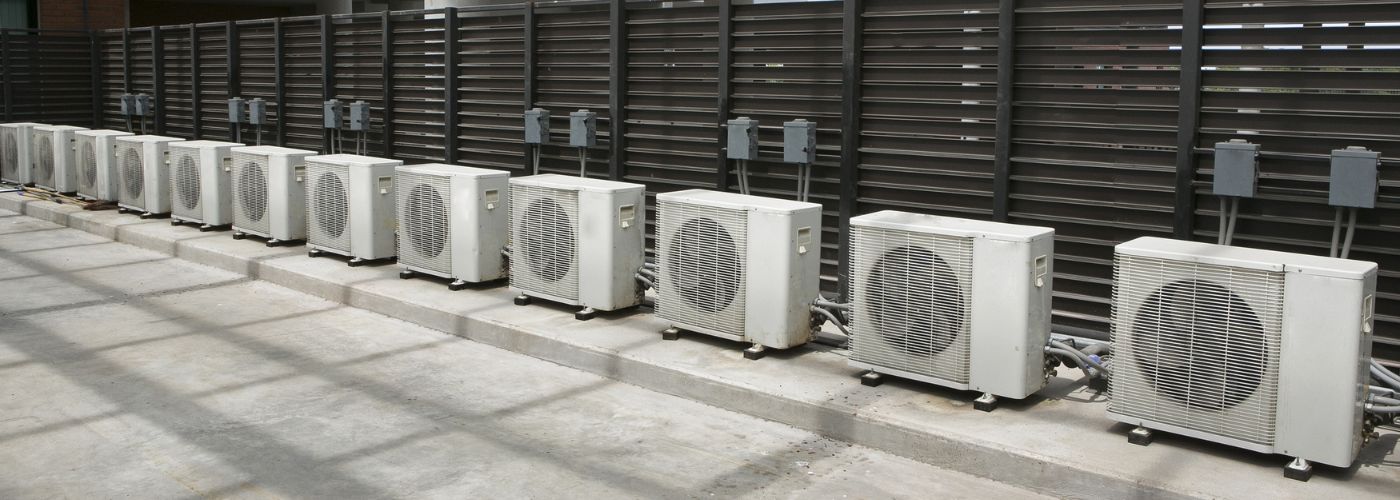
The difference becomes much clearer when you need heat. A standard central air conditioner does not reverse its operation to heat the home. Instead, the property needs another heating source, which is commonly a gas or electric furnace.
This creates a system in which one piece of equipment handles cooling and another handles heating. The two components can still share ductwork, a thermostat, and other parts of the HVAC setup.
A heat pump can reverse its refrigerant cycle. Instead of moving indoor heat outside, it collects heat from outside and transfers it indoors.
Having heating and cooling in one system can simplify the equipment needed to maintain comfortable indoor temperatures year-round. Homeowners considering this setup can learn more about how a heat pump installation fits into an existing HVAC system before choosing new equipment.
Energy Efficiency and Everyday Power Usage Differences
Energy use is another important consideration when looking at heat pump vs central air. Both systems use electricity while cooling because compressors, fans, and other components must operate to move heat out of the house.
The actual amount of electricity used depends on several factors, including equipment efficiency, system size, outdoor temperatures, insulation, thermostat settings, and the condition of the HVAC system.
A heat pump also uses electricity to provide heat. Rather than creating heat directly through electric resistance in its normal operating mode, an air source heat pump transfers existing heat from one place to another.
This process can provide efficient heating under suitable operating conditions. A central air system paired with a furnace works differently because the home’s heating energy use depends on the furnace type and fuel source.
Evaluate efficiency across the entire heating and cooling system instead of judging a system by one piece of equipment alone. An efficient outdoor unit may still struggle if a home has poor insulation, restricted airflow, dirty components, leaking ducts, or improperly sized equipment.
Homeowners interested in the factors that affect HVAC energy use can also review ways of maximizing home HVAC efficiency when comparing operating costs.
Installation Requirements and Upfront Costs For Both Systems
Installation requirements can vary considerably in a heat pump vs central air comparison because every home has a different starting point. A property with usable ductwork and an existing furnace may be able to replace an older central air conditioner without changing the entire heating system.
If major components, electrical connections, ductwork, or other parts need modification, the project can become more involved.
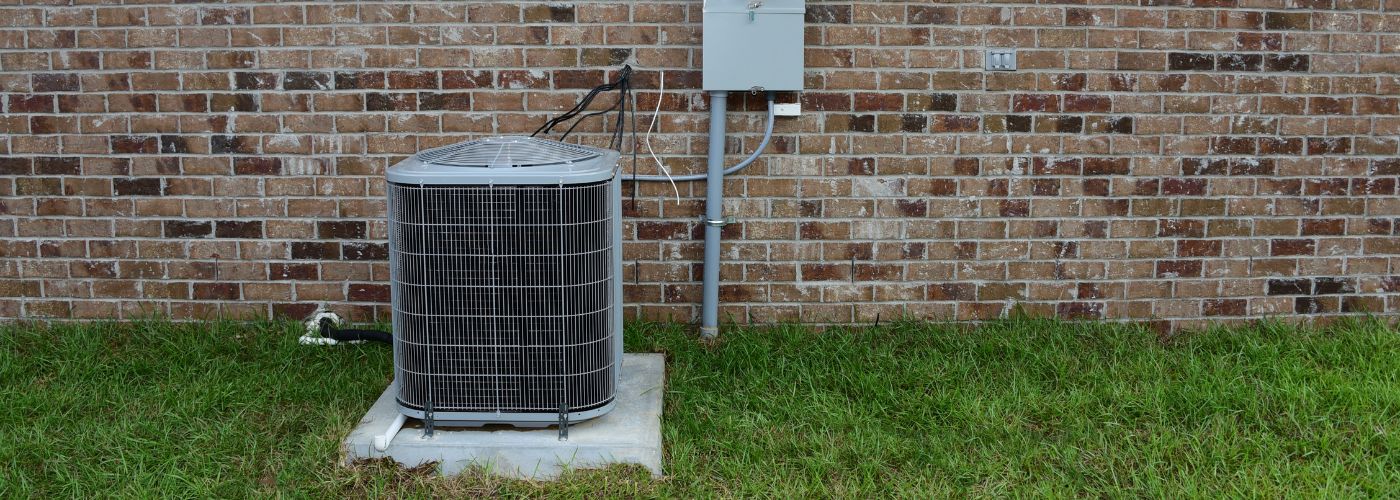
Installing a heat pump also requires evaluating the existing HVAC setup. The technician must determine the proper equipment size and ensure the indoor and outdoor components work together correctly.
Electrical capacity, duct condition, airflow, available installation space, and thermostat compatibility may all affect the work required. Replacing an older system can therefore involve more than simply exchanging one outdoor unit for another.
Consider upfront price along with future energy use, maintenance needs, and the amount of equipment being replaced. A central air installation may appear less expensive in one home because it already has a working furnace.
Another homeowner replacing both heating and cooling equipment may face a very different calculation. A professional load calculation and evaluation of the existing system provide a more useful cost comparison than comparing equipment prices by themselves.
Maintenance Needs and Expected System Lifespan
Regular maintenance matters for both systems when comparing heat pump vs central air. Filters need to be changed or cleaned when appropriate, airflow should remain unobstructed, and coils and other components should be kept in proper operating condition.
Refrigerant problems, electrical wear, clogged drains, and dirty outdoor equipment can reduce performance and place unnecessary stress on the system.
A heat pump may operate during more months of the year because it provides both heating and cooling. A central air conditioner is normally used primarily during the cooling season, while its paired heating equipment operates during colder weather.
Each component may therefore see different use. Climate, thermostat habits, installation quality, equipment design, and maintenance history all affect how quickly parts wear.
No single lifespan applies to every HVAC system because operating conditions and maintenance can make a major difference over time.
Routine air conditioning maintenance can help identify worn components, airflow problems, and other issues before they develop into larger problems.
Homeowners should also watch for changes such as unusual sounds, uneven temperatures, rising energy consumption, frequent cycling, or repeated repairs.
Age matters most when repair problems start happening regularly. A relatively new system with one replaceable component may still have plenty of useful service life.
An older system that repeatedly needs expensive repairs may be a different situation. Comparing the condition of the complete system can help homeowners decide whether continued maintenance and repairs make sense or whether replacement is worth considering.
Performance in Hot and Cold Weather Conditions
Climate can influence the heat pump vs central air decision because outdoor conditions affect heating and cooling demand. During hot weather, both systems transfer heat from inside the home to the outdoors.
Proper sizing matters because undersized equipment may struggle to maintain the desired temperature, while improperly matched equipment can create other comfort and efficiency concerns.
Heat pumps require extra consideration in cold weather because they must extract heat from outdoor air. Modern equipment can continue operating at low outdoor temperatures, but performance varies by system design and model.
As conditions become colder, some systems may use supplemental heat or another heating source. Consider the local climate and specific equipment before deciding how a heat pump will handle winter heating.
Central air does not provide winter heating, so cold-weather performance depends on the separate heating equipment paired with it. A home with central air and a gas furnace, for example, relies on the furnace when temperatures fall.
This makes it important to compare the complete heating and cooling setup, not just the outdoor air conditioning unit.
Hot weather can also reveal weaknesses in aging equipment. A system may appear to work normally during mild conditions but have difficulty keeping up during long periods of high temperatures.
Reliable performance depends on choosing equipment that matches the home’s heating and cooling load and the climate where it will operate.
If an existing system is already struggling, understanding when to repair or replace an AC can provide useful context before investing more money in older equipment.
Frequently Asked Questions (FAQ)
The main difference is that a heat pump can provide both heating and cooling, while a standard central air conditioner is primarily designed for cooling. Central air is commonly paired with a separate furnace or another heating system for colder weather.
Yes. During warm weather, a heat pump operates similarly to a central air conditioner by absorbing heat from inside the home and transferring it outdoors. Cooling performance depends on factors such as proper system sizing, installation, airflow, and the home’s cooling needs.
Efficiency depends on the complete HVAC setup rather than the outdoor equipment alone. A heat pump uses electricity to transfer heat for both heating and cooling, while central air is usually paired with separate heating equipment that may use electricity, natural gas, or another energy source.
Installation costs depend on the home’s existing equipment, ductwork, electrical capacity, system size, and other requirements. Central air may be less expensive when a home already has a working furnace, while the cost comparison can be different when both heating and cooling equipment need replacement.
The better option depends on the home’s climate, existing HVAC equipment, ductwork, energy source, heating and cooling demands, and budget. A professional evaluation and load calculation can help determine which system is properly sized and better suited to the property.