
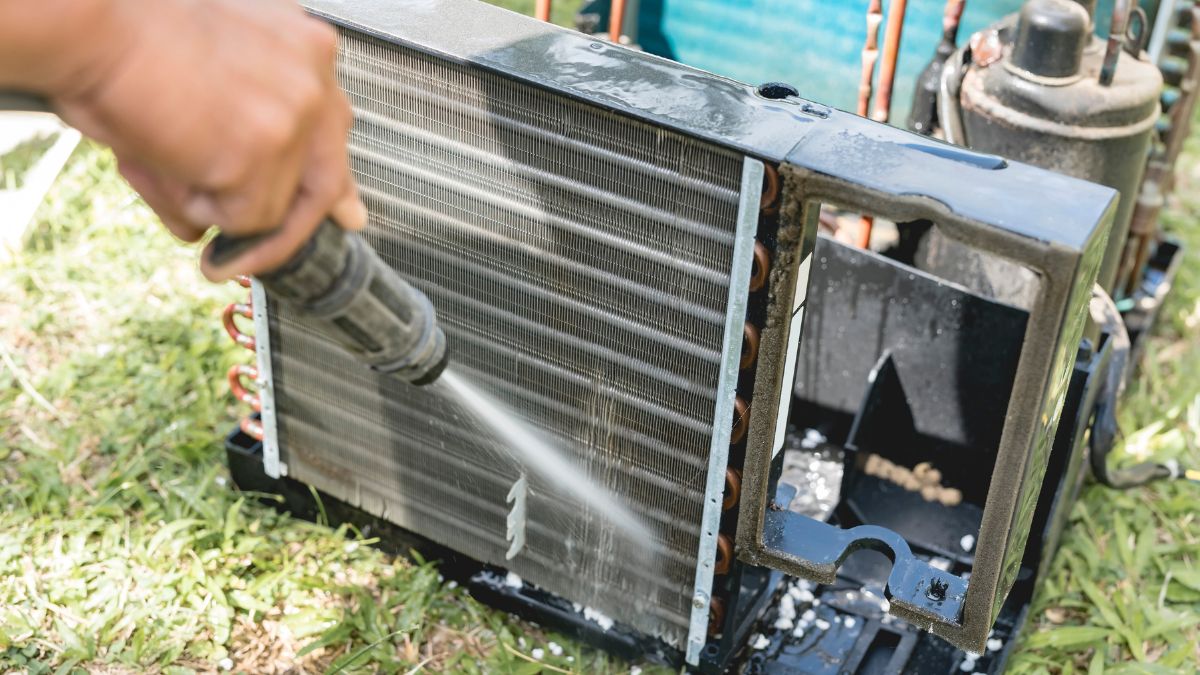
An evaporator coil plays an important role in removing heat from indoor air so an HVAC system can cool a home properly. When the coil develops a problem, homeowners may notice changes in airflow, temperature, system operation, or energy use.
This article goes over some of the common issues that may indicate an evaporator coil is no longer working correctly.
Warning Signs Of A Bad HVAC Evaporator Coil
A bad HVAC evaporator coil can affect the cooling process in several different ways. The coil is located inside the indoor portion of the air conditioning system and contains refrigerant that absorbs heat from the air passing over it.
If the coil becomes dirty, damaged, frozen, or develops a refrigerant leak, the system may have trouble removing enough heat to keep the home comfortable.
Problems with the evaporator coil can also place additional strain on other HVAC components. The air conditioner may run for longer periods, cycle differently than usual, or struggle to reach the temperature selected on the thermostat.
Some problems can develop gradually, which means changes in cooling performance may become more noticeable over time.
Paying attention to changes in normal system operation can help identify a cooling problem before it becomes more serious.
Warm Air Coming From the Vents
Warm air coming from the vents can be one possible sign of a bad HVAC evaporator coil. When the air conditioner is running correctly, refrigerant inside the coil absorbs heat from the indoor air before that air is sent back through the ductwork.
If the coil cannot complete this process effectively, the air leaving the vents may feel warmer than expected.
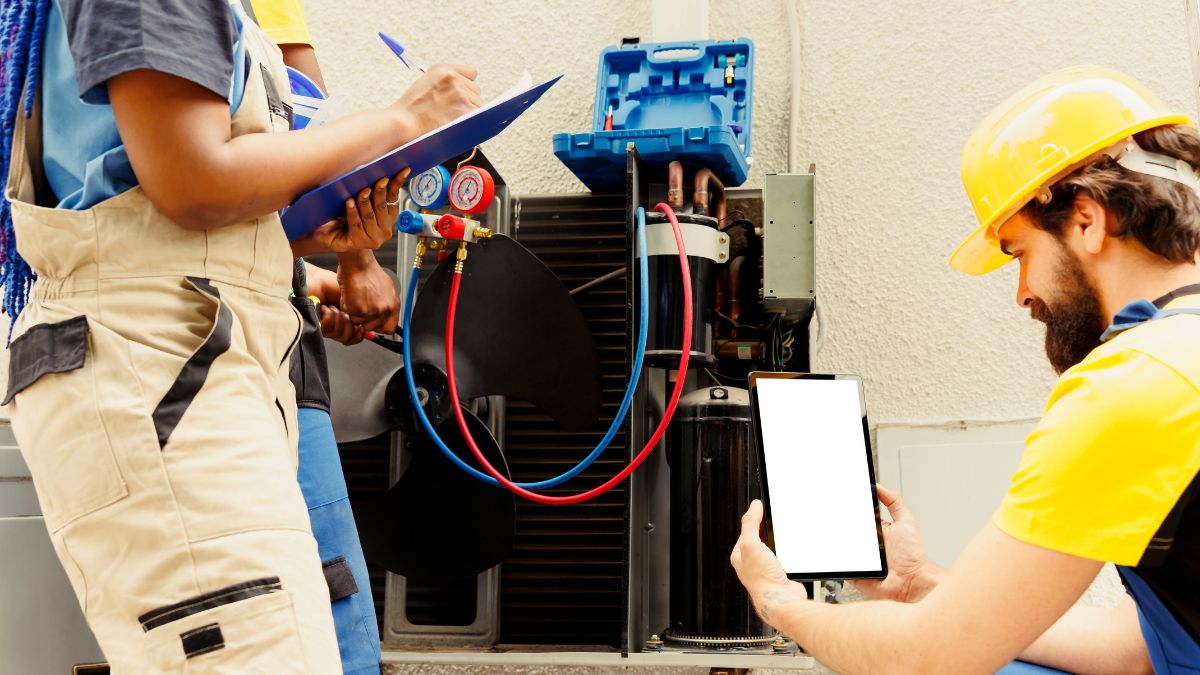
Air that stays warm even while the cooling system is running can indicate that heat is not being removed from the indoor air properly.
This problem can also be caused by other HVAC issues, including low refrigerant levels, thermostat problems, or trouble with the outdoor unit.
If the system continues running without producing cool air, an HVAC technician can inspect the equipment to determine where the cooling process is being interrupted.
Ice Forming on the Evaporator Coil
Ice on the indoor coil is another problem that should not be ignored. A bad HVAC evaporator coil may freeze when the temperature around the coil drops too low.
This can happen when refrigerant levels are incorrect or when there is not enough warm air moving across the coil to keep its surface at the proper temperature.
Restricted airflow from a dirty air filter, blocked return vent, or another airflow problem may also contribute to freezing.
As ice builds up, it creates an additional barrier between the coil and the air moving through the system, making it even harder for heat to transfer properly.
Continuing to operate an air conditioner with a frozen coil can reduce cooling performance and place unnecessary strain on the system.
Simply removing visible ice does not address the reason it formed, so the underlying problem should be inspected.
Weak or Reduced Cooling Performance
A home that takes much longer to cool than usual may have an issue somewhere within the HVAC system.
With a bad HVAC evaporator coil, the system may continue producing some cool air but fail to remove heat efficiently enough to maintain the desired indoor temperature.
Rooms may stay warmer than expected even though the thermostat and air conditioner appear to be operating normally.
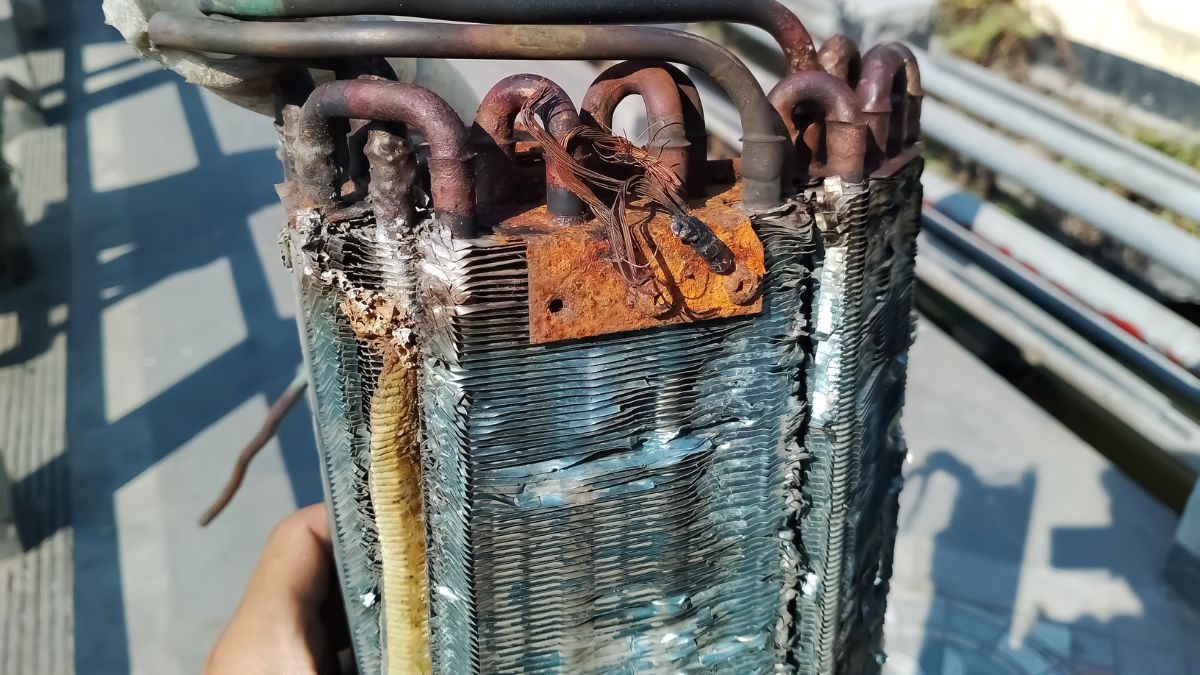
Reduced performance may become especially noticeable during hotter parts of the day when the system has to handle a larger cooling load.
The air conditioner might run for extended periods without reaching the thermostat setting, or certain rooms may feel less comfortable than they did before.
Other HVAC problems can create similar symptoms, so reduced cooling alone does not confirm that the coil has failed.
A noticeable drop in cooling ability is a reason to have the system inspected rather than making the air conditioner run longer to compensate.
An HVAC technician can check the coil along with refrigerant levels, airflow, filters, and other components that affect cooling performance.
Unusual Hissing or Bubbling Sounds
Air conditioning systems normally make some noise while operating, but new hissing or bubbling sounds can point to a problem.
A bad HVAC evaporator coil that has developed a refrigerant leak may produce unusual sounds as refrigerant moves through or escapes from a damaged area.
A small opening may create a hissing sound, while other refrigerant-related conditions can sometimes produce bubbling or gurgling noises.
New sounds coming from the indoor HVAC equipment should be checked when they appear along with poor cooling or other changes in system performance.
Refrigerant operates within a sealed system, so a suspected leak requires professional inspection. Adding refrigerant without locating the source of a leak does not correct damage to the coil or another part of the refrigerant circuit.
An HVAC technician can inspect the system and determine whether the sound is related to refrigerant or another component.
Identifying the actual source is important because airflow, drainage, and mechanical problems can also create unfamiliar noises during system operation.
Higher Energy Bills During Normal HVAC Use
An unexplained increase in electricity use can sometimes be connected to reduced HVAC efficiency.
When a bad HVAC evaporator coil cannot absorb heat effectively, the air conditioner may need to operate for longer periods to reach the temperature set on the thermostat.
Longer cooling cycles can increase energy consumption even when the homeowner has not made major changes to thermostat settings or daily HVAC use.
The change may be easier to notice when comparing energy bills from similar periods of weather and household activity.
However, higher utility costs can have many causes, including extreme outdoor temperatures, duct leaks, dirty filters, aging equipment, or other mechanical problems.
Energy use by itself cannot identify which HVAC component is responsible.
Watching how frequently and how long the air conditioner runs can provide additional clues.
When higher energy use appears together with longer cooling cycles or declining indoor comfort, the HVAC system may not be operating as efficiently as it should.
A professional inspection can help determine whether the evaporator coil or another part of the system is contributing to the change.
Frequently Asked Questions (FAQ)
Common signs of a bad evaporator coil include warm air coming from the vents, weak cooling performance, ice forming on the coil, unusual hissing or bubbling sounds, and higher energy bills. These symptoms can also be caused by other HVAC problems, so a professional inspection can help identify the exact issue.
An evaporator coil can freeze when there is restricted airflow or a problem with the refrigerant system. Dirty air filters, blocked return vents, low refrigerant levels, and other airflow issues can cause the coil temperature to drop too low and allow ice to form.
Yes. The evaporator coil is responsible for absorbing heat from indoor air during the cooling process. If the coil is dirty, damaged, frozen, or affected by a refrigerant problem, the system may struggle to remove enough heat and could send warmer air through the vents.
Yes. When an evaporator coil cannot transfer heat efficiently, the air conditioner may need to run longer to reach the thermostat setting. Longer cooling cycles can increase electricity use and place additional strain on other HVAC components.
Whether an evaporator coil should be repaired or replaced depends on the type of damage, the age of the HVAC system, repair costs, and the condition of the other components. An HVAC technician can inspect the system and determine whether replacing the coil or considering a larger system replacement makes more sense.