

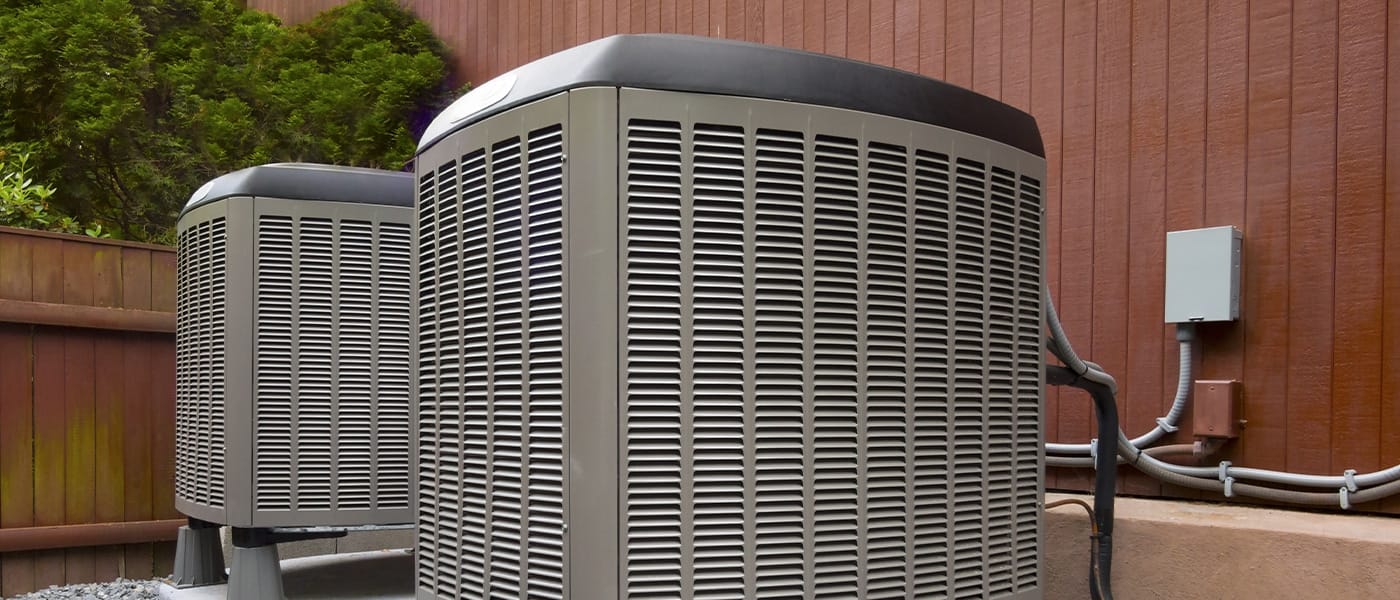
Replacing an HVAC in Los Angeles can be a daunting task. Lots of HVAC companies in Los Angeles to choose from, and it’s hard to know which to pick or which to trust. Knowing how long the actual replacement may take depends on a few factors. Read on to learn more about how much time you may need to set aside for your HVAC replacement.
Pick Which HVAC You Would Like Installed
The first thing that you need to do is figure out what type of system you want to be installed. There are two main types of systems, forced air, and radiant heat.
For radiant heat, pipes run through your floors and walls, and the heat rises up into the room. For forced air, fans blow the warm air through ducts into each room of your house.
Before deciding on which type of system you want to be installed, think about how much space you have in your home as well as how many people will be occupying it at one time if there are multiple levels.
Radiant heat works best when there is ample square footage available for piping that runs through the walls or floors because this helps distribute the heat throughout the house more evenly than other systems do.
It’s best to try and get a comparable HVAC to the one that you want to replace.
Be Prepared For Your HVAC Installation
You don’t have control over the weather, but you can prepare for your HVAC installation by making sure that everything is ready for the installer.
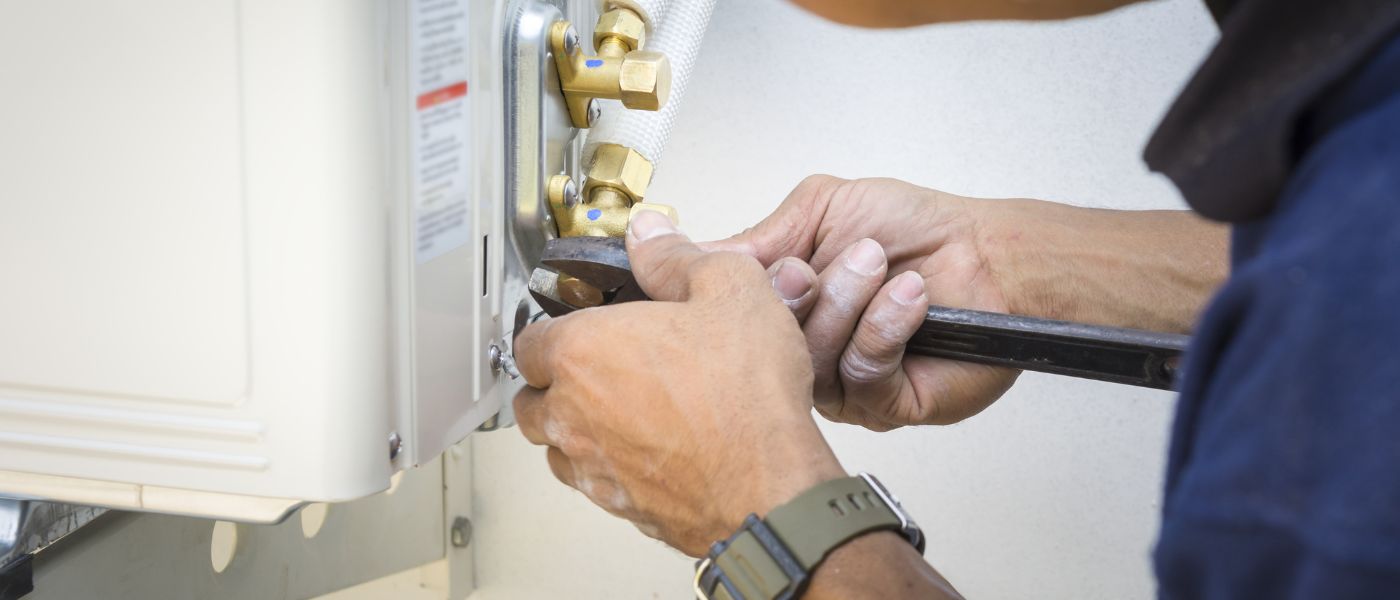
Make sure that all of your windows and doors are open and free of furniture or other obstructions. The last thing you want is for an installer to have to stop working because they’re unable to access a room or window due to clutter.
Double-check that your electricity and gas lines are clear of debris and other obstructions. If there’s anything blocking either line, it could cause problems when the new unit is installed.
Arranging for someone to be at your home during the installation so they can show the installer where they want things placed in their home or apartment, they may not know.
Time Is Everything With HVAC Replacement In Los Angeles
Especially during the summer months, you want to make sure that you have a working HVAC unit. In general, HVAC Replacement in Los Angeles can take anywhere from 3-6 hours to install.
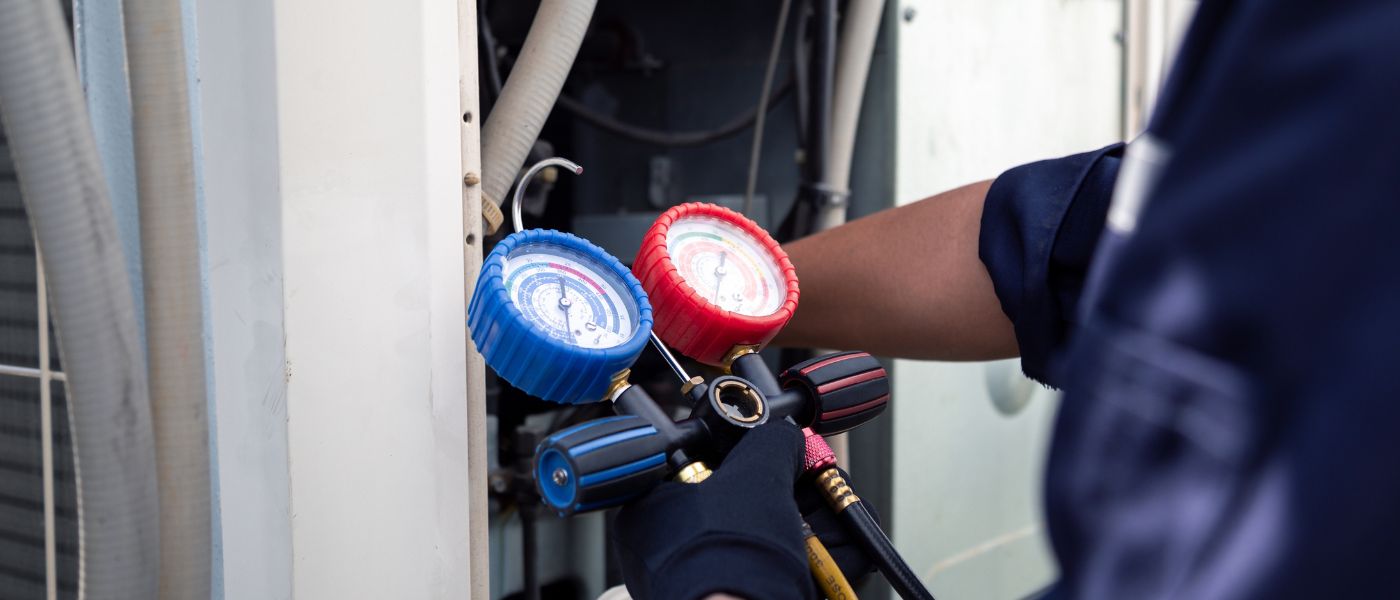
This time frame does not take into consideration if anything goes wrong during the installation process. At Lions HVAC, we try to make all of our HVAC replacements as fast as possible while installing your new HVAC to perfection.
HVAC Size Matters
If you’re replacing a large HVAC unit the time it will take to replace and install will take longer than if you’re replacing a mini-split air conditioner.
A good rule of thumb is to start with the size of your home and add up all of the square footage. This includes every room in the home, including bathrooms and closets.
If you live in a two-story house and want central air conditioning, then you need to add up all of the square footage on both floors and take into account any attic space as well.
If your home has more than one level, then make sure that you include any bonus rooms or basements in your calculations as well, because they will need heating or cooling too.
You may also want to consider adding an additional zone if there are multiple levels in your home, so that each level can be controlled separately from one another with individual thermostats for each zone.
Frequently Asked Questions (FAQ)
For most homes, a standard HVAC replacement can usually be completed in about 3–6 hours. The exact timeline depends on the size of your system, how accessible the equipment is, and whether any ductwork, electrical, or gas line adjustments are needed. Your installer can give you a more precise estimate once they’ve inspected your home and confirmed the scope of the project.
Before installation day, clear a path to your indoor unit, thermostat, and any access points like the attic, closet, or basement. Move furniture, boxes, and decor away from vents and equipment so technicians can work safely and efficiently. It’s also helpful to make sure outdoor areas around the existing condenser are free of debris and that pets are secured in another room or area.
When selecting a replacement system, consider your home’s square footage, number of floors, insulation quality, and how many people live in the space. You’ll also want to look at energy efficiency ratings, noise levels, and whether you need added features like zoning or smart thermostat compatibility. Working with a qualified HVAC contractor ensures your new system is properly sized and matched to your comfort needs and budget.